Look Beyond the Obvious City Break
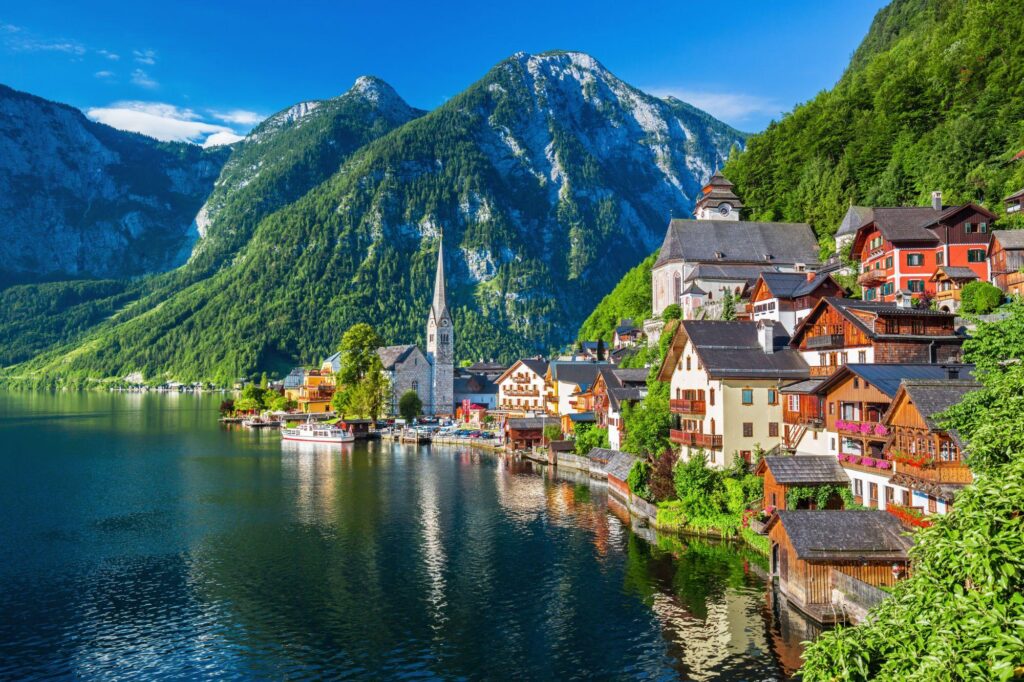
European travel does not always require a long holiday or a complicated multi-country itinerary. A short getaway can deliver a satisfying change of scenery when the destination is selected carefully. Smaller cities, coastal regions and lesser-known islands may offer a distinct sense of place without the pressure to visit every famous landmark in a limited time.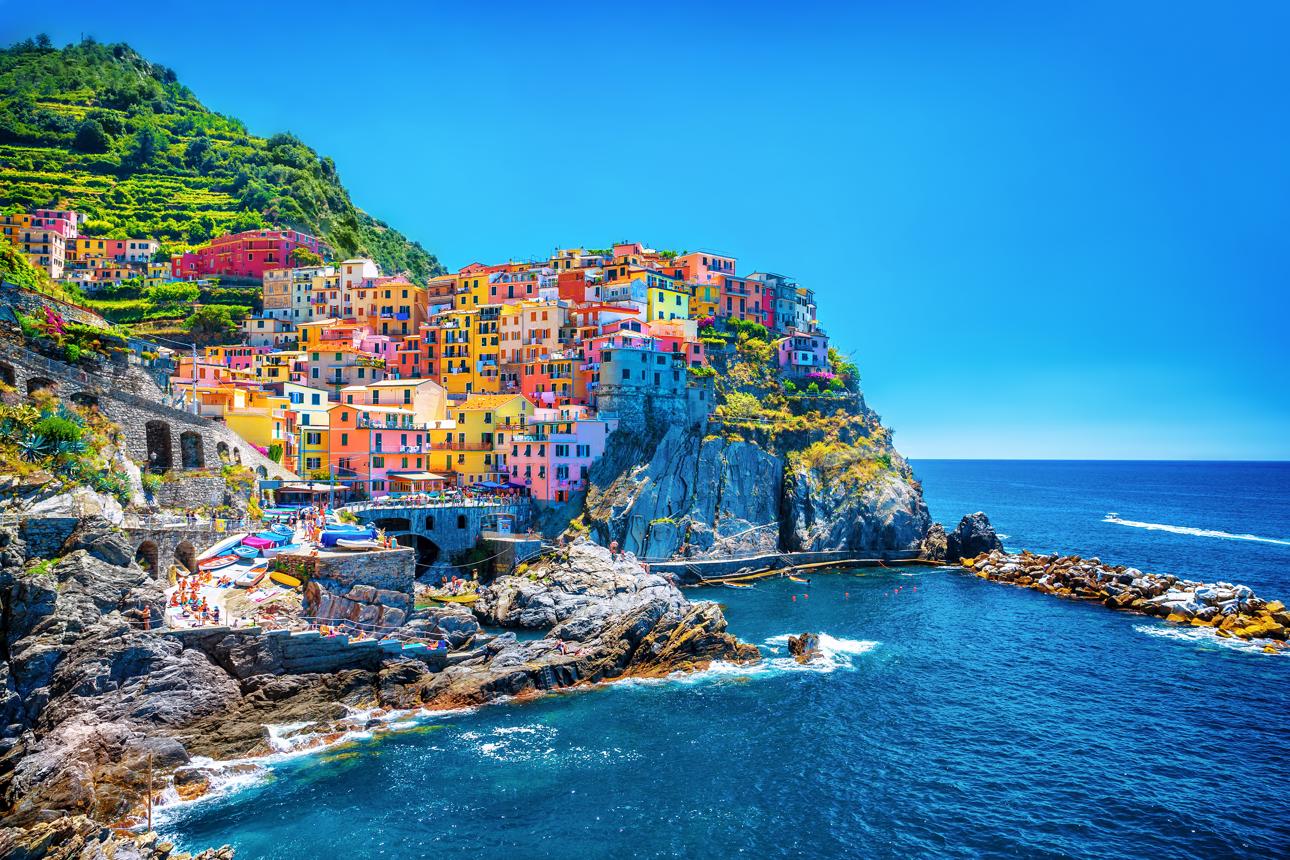
Hand Luggage Only explores a wide range of European destinations, including less obvious places for weekend trips. Its photography-rich guides help readers think beyond familiar capitals. A traveller comparing destinations can consider the atmosphere they want, whether that involves historic streets, hiking paths, distinctive local food or quiet coastal surroundings.
The best short-trip destination is often not the place with the longest attraction list. Travel time from home, airport transfers and local transport can determine how much of a weekend is available for exploration. A smaller town with a straightforward journey may offer more enjoyment than a distant city reached after several connections.
Seasonality can change a destination dramatically. A beach town may be vibrant during summer but wonderfully quiet in spring, while a mountain village may depend on weather-sensitive roads and attractions. Travellers should decide whether they prefer active streets, peaceful scenery or specific seasonal events. Reading multiple guides and checking official opening information helps establish realistic expectations. A weekend break is most successful when its timing matches the experiences visitors care about, rather than a generic idea of the perfect time to travel.
Build a Weekend Around One Area
Concentrating on a compact area makes short trips feel fuller and less rushed. A visitor could select a historic centre for the first day and a nearby coastal village or natural landscape for the second. This approach reduces time spent moving luggage and checking transport schedules. It also creates opportunities to revisit a favourite café or see the same neighbourhood at a different time of day.
Guides from Hand Luggage Only can help identify a city’s major highlights and surrounding attractions. Readers should compare suggested excursions with actual journey times before committing. A scenic location that looks close on a map may require infrequent buses or seasonal ferries, especially outside major urban areas.
Allowing time between activities is particularly important when travelling with friends who have different interests. Choosing two or three shared priorities and leaving optional spaces on the itinerary allows the group to enjoy the trip without constant negotiation. Short breaks benefit from simplicity more than strict scheduling.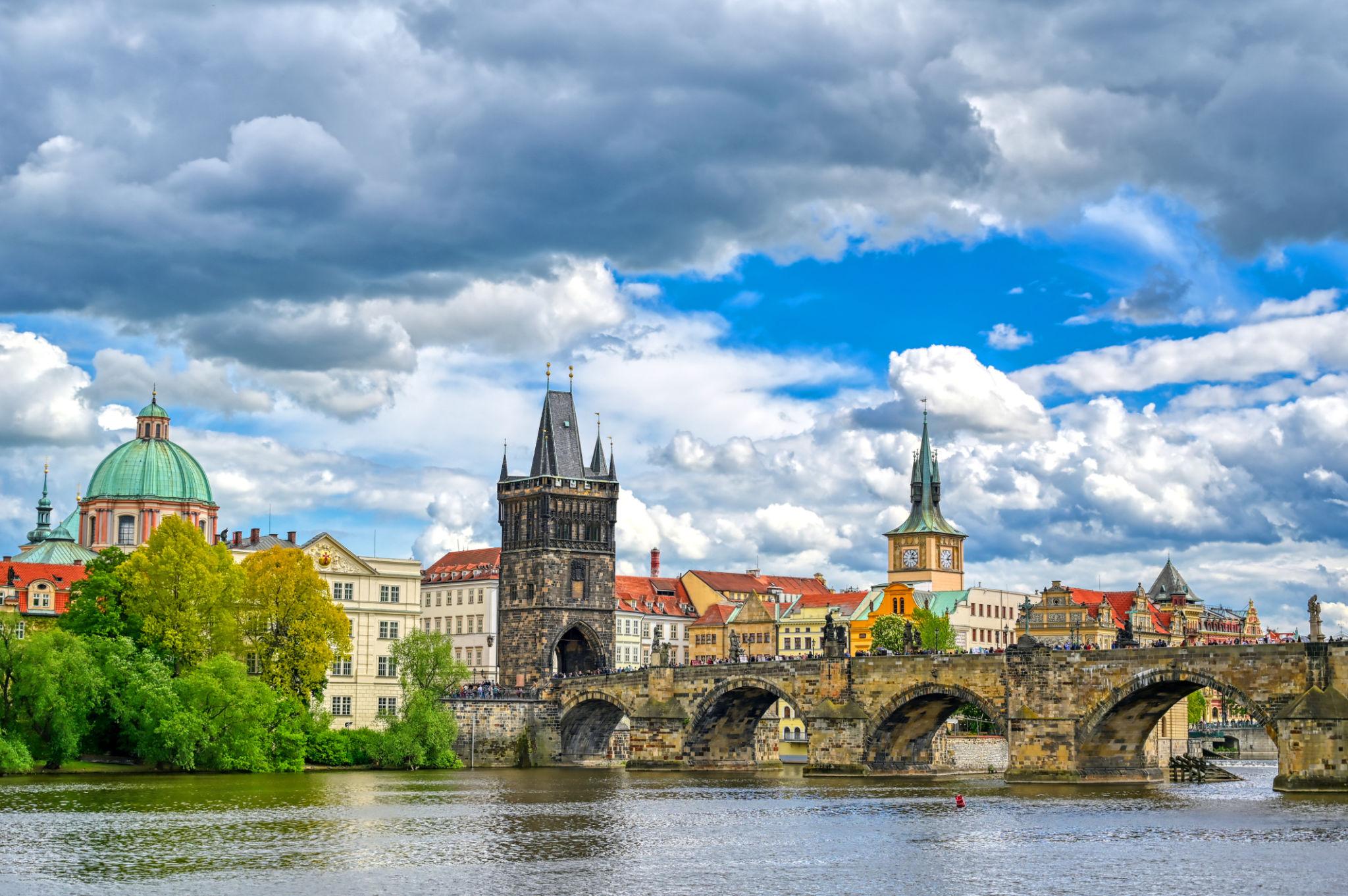
Transport choices deserve special attention on a short break. A hotel slightly outside the centre may appear convenient until repeated taxi journeys or infrequent buses are taken into account. Walkable neighbourhoods can make sightseeing and evening meals simpler. When visiting several nearby locations, choosing a central base can eliminate unnecessary packing and transfers. Looking at total travel time, rather than flight duration alone, gives a clearer picture of how much usable leisure time a destination can offer.
Enjoy Local Culture Through Small Details
A place often becomes memorable through experiences that are not presented as headline attractions. Visiting a neighbourhood bakery, taking an early walk through a market or observing a local tradition can reveal daily life beyond the tourist route. Seasonal food offers a particularly accessible way to understand regional differences, even between cities in the same country.
Hand Luggage Only frequently combines travel recommendations with photography and food-oriented exploration. That approach encourages attention to streets, landscapes and ordinary details rather than treating a destination as a checklist. Travellers can adopt a similar attitude by walking through residential districts respectfully, visiting local businesses and learning a few useful phrases in the local language.
Photography can support those memories, but it should not dominate the trip. Setting aside moments without a camera often helps visitors appreciate a place more directly. Later, a small selection of meaningful photographs can tell a stronger story than hundreds of nearly identical images.
Food experiences need not be elaborate to feel memorable. Regional breakfasts, small family-run restaurants and local produce markets allow travellers to learn about a destination at a relaxed pace. Hand Luggage Only celebrates these everyday discoveries alongside prominent landmarks. Visitors can support local businesses and explore respectfully by observing dining customs and avoiding overly crowded times where possible. Meaningful short journeys depend less on collecting famous photographs and more on engaging with the character of the place.
Prepare Well and Keep the Schedule Flexible
Before a short European getaway, a few practical checks make a substantial difference:
- Confirm arrival and departure transfers before booking accommodation.
- Check whether local attractions require advance reservations.
- Pack for the forecast and the activities actually planned.
- Keep one unstructured period for discoveries or rest.
Climate and seasonal schedules also matter. Islands may have reduced transport services outside peak months, while mountain areas can experience quick weather changes. Checking official transport and attraction information shortly before departure avoids unnecessary disruption. A lightweight bag can simplify movement between stations and hotels.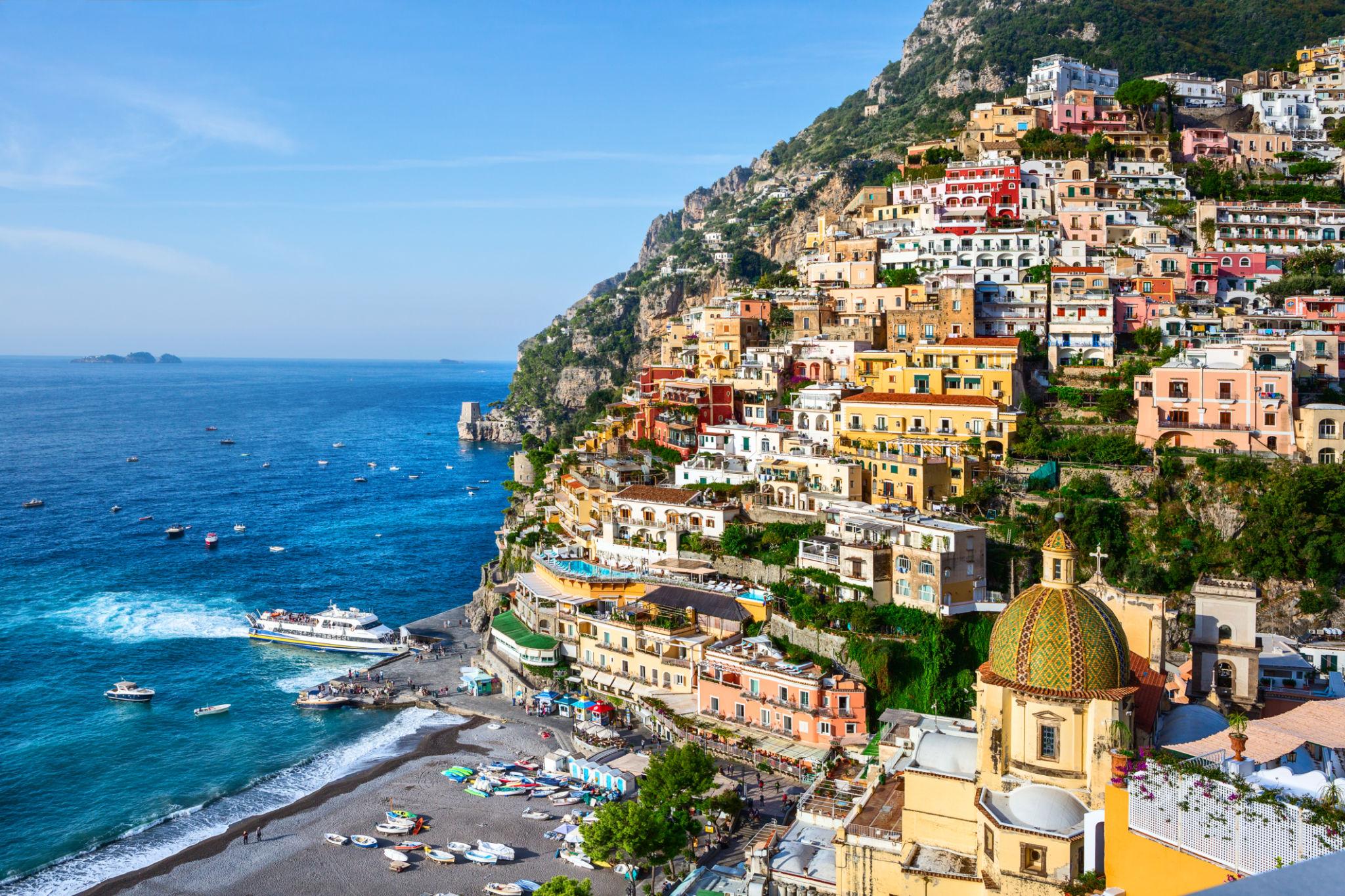
With a realistic itinerary and genuine curiosity, even a brief journey can feel restorative. Hand Luggage Only offers useful inspiration for discovering varied European destinations and approaching short breaks with attention to experience rather than sheer distance travelled.