
Choose a Destination That Builds Confidence
A first solo journey can transform how someone approaches unfamiliar situations. The freedom to shape each day is rewarding, yet planning independently also requires realistic decisions about transport, accommodation and personal safety. A manageable destination often creates a more positive introduction than a complicated itinerary filled with transfers, long travel days and uncertain arrangements.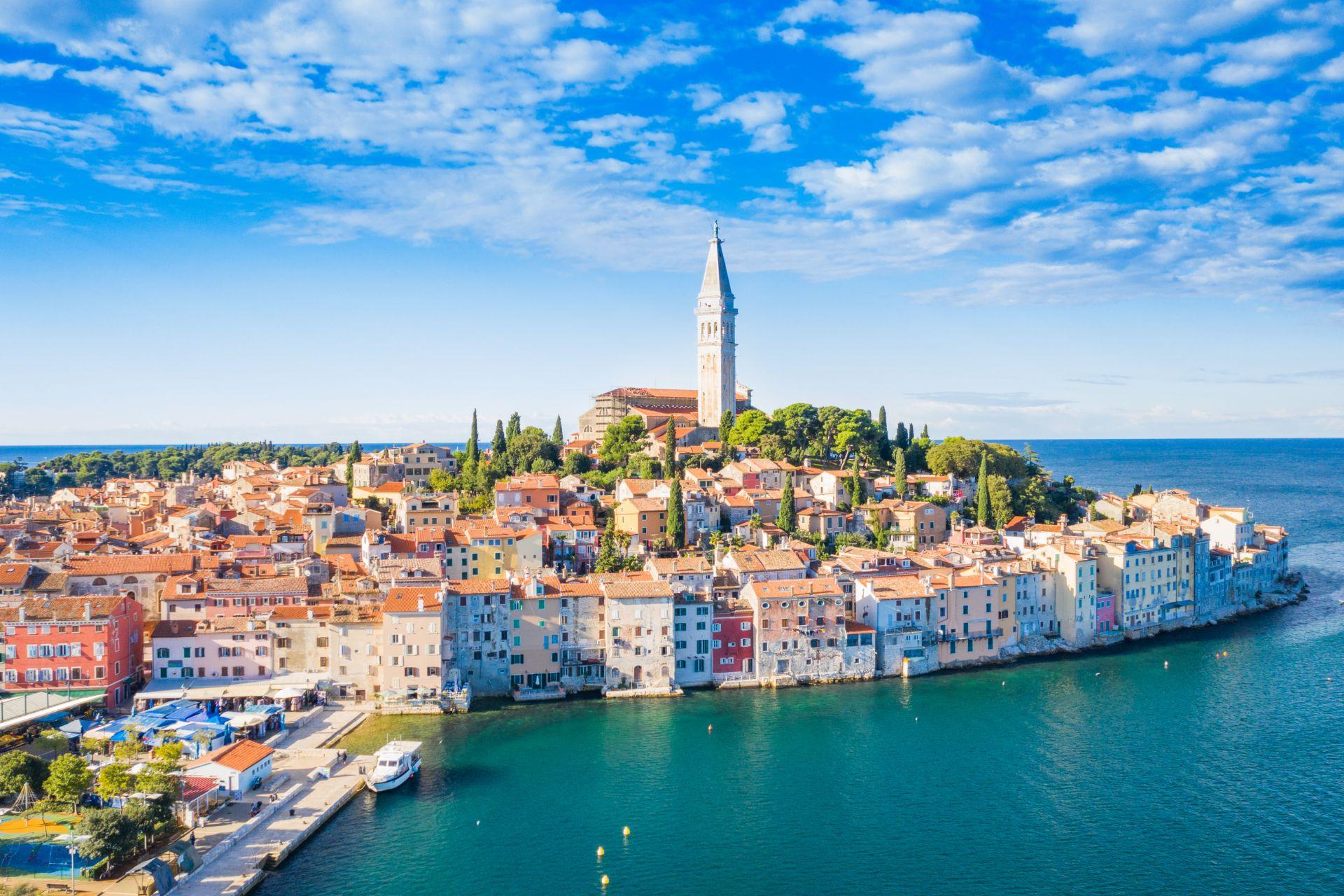
Adventurous Kate provides destination-focused guidance especially useful to women researching independent travel. The site discusses practical concerns alongside the enjoyment of exploration, encouraging travellers to evaluate a place based on their own experience and preparation. A first trip does not need to cross an ocean to count. A nearby city with reliable public transport and varied activities offers plenty of opportunities to practise travelling alone.
Selecting a base with clear connections and well-reviewed accommodation can reduce avoidable stress. Travellers should consider arrival times, neighbourhood characteristics and the distance between transport terminals and lodgings. Understanding the route from an airport or station before departure makes the opening hours of a journey feel more predictable.
Choosing accommodation calls for more than comparing photographs. The surrounding area should support realistic arrival and departure plans, particularly when public transport is limited late in the evening. Clear communication with a host, secure entry and accessible everyday services can improve comfort. For travellers who prefer meeting others, structured tours or group activities may provide social opportunities without requiring a shared room. Looking closely at these details transforms accommodation from a simple booking into an important part of the journey.
Plan Safety Without Losing Spontaneity
Independent travel becomes easier when important arrangements are handled in advance. Accommodation details, travel insurance information, identification copies and emergency contacts should be available both offline and in a secure digital location. Researching local emergency numbers, common scams and cultural expectations helps create realistic awareness without treating every unfamiliar environment as dangerous.
Articles on Adventurous Kate distinguish between informed caution and fear-driven assumptions. Travellers can apply that distinction by checking a variety of recent sources, using established transport services and staying attentive to their surroundings. Plans should also include flexible alternatives, particularly when outdoor activities, late-night arrivals or remote destinations are involved.
Check-in arrangements with a trusted contact can offer reassurance while preserving independence. Setting expectations about when to communicate is more useful than trying to provide updates at every moment. Travellers can also keep a modest emergency fund separate from everyday spending and avoid carrying all payment methods together.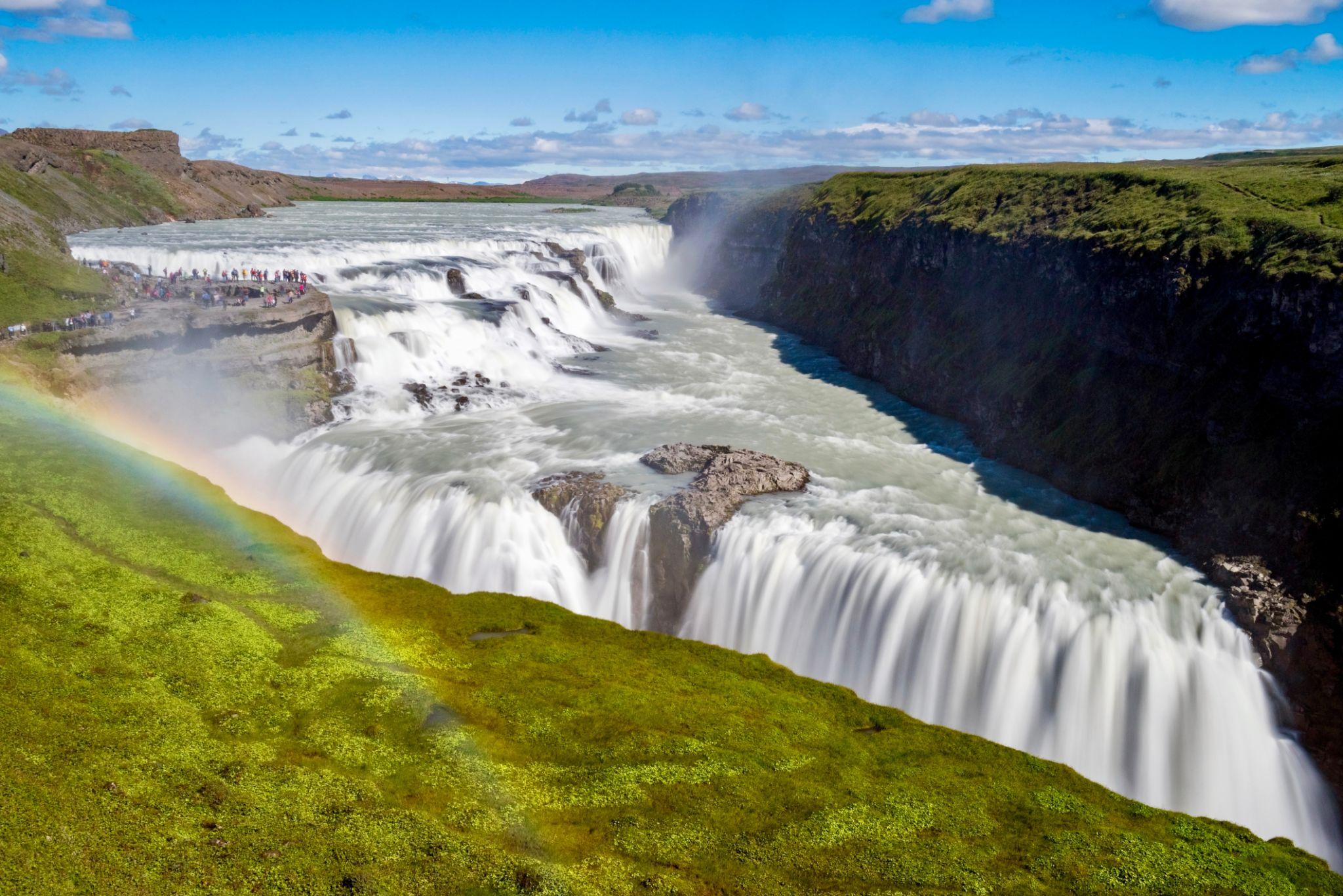
Financial preparation should reflect the destination and the traveller’s habits. A realistic allowance includes meals, entry fees, local transport, incidental expenses and a contingency for altered plans. Small amounts of cash may be useful where cards are not consistently accepted, but relying on one payment method creates avoidable vulnerability. Checking mobile connectivity and downloading maps before leaving also helps with directions and communication. These decisions do not eliminate surprises. They simply make minor disruptions easier to manage without losing the enjoyment of discovery.
Create Days With Room to Explore
An itinerary should provide enough structure to avoid constant decision-making while leaving room for discoveries. Choosing one main activity each day allows space for local markets, neighbourhood walks or conversations that arise naturally. It also prevents exhaustion, which can make navigating an unfamiliar city unnecessarily difficult. Reserving time for meals and rest supports a better overall experience.
Adventurous Kate offers inspiration for destinations ranging from city breaks to more adventurous journeys. Rather than copying an itinerary exactly, readers can identify the experiences that match their interests. A traveller who loves architecture might spend longer exploring historic centres, while someone interested in outdoor activities may organise the trip around accessible hiking routes and guided excursions.
Dining alone is sometimes a concern for new solo travellers. Cafés, food halls and restaurants with counter seating can make the experience comfortable. Bringing a book is an option, but there is no obligation to appear occupied. Independence becomes familiar through small, ordinary activities repeated in different places.
The experience of being alone can also change throughout a trip. Some days bring excitement and energy, while others produce fatigue or homesickness. Neither response means the journey has failed. Building in familiar routines, such as morning coffee or a short evening walk in a known area, can create stability. Adventurous Kate encourages travellers to approach independence with practical preparation. The broader lesson is that flexibility and self-awareness often matter just as much as confidence when navigating a new environment.
Return With Stronger Travel Habits
Useful preparation steps include:
- Save key booking details for offline access.
- Review transport connections before arriving after dark.
- Choose accommodation based on location as well as reviews.
- Leave flexible time for rest and unexpected opportunities.

After a journey, taking note of what worked can improve the next one. Travellers may discover that they enjoy slow mornings, prefer private accommodation or feel most confident when joining occasional group tours. Those observations are more practical than judging a trip according to the number of attractions visited.
With planning and realistic expectations, solo travel can develop confidence, curiosity and decision-making skills. Adventurous Kate offers a useful starting point for that process, especially for readers who want to understand both the pleasures and responsibilities of navigating the world independently.