Planning an adventure often starts with a scroll through dozens of travel blog content types, from destination overviews to detailed itineraries and packing checklists. The Planet D has organized more than a decade of travel experience into clear categories that match different stages of trip planning. Understanding how those categories work makes it easier to find the right piece of advice at the right moment.
Understanding The Planet D’s Destinations Section
The Destinations section of The Planet D covers 110 countries across all seven continents, giving travelers a wide starting point for research. Each entry blends practical information with firsthand accounts from Dave and Deb, who have spent 12 years traveling full-time. Searches on the site for places like Thailand, Canada, and the United States point to how often readers return to these country-level guides. This breadth is part of what separates a mature travel blog from a narrower niche site.
Structured Itineraries: From 3 Days to Multi-Week Trips
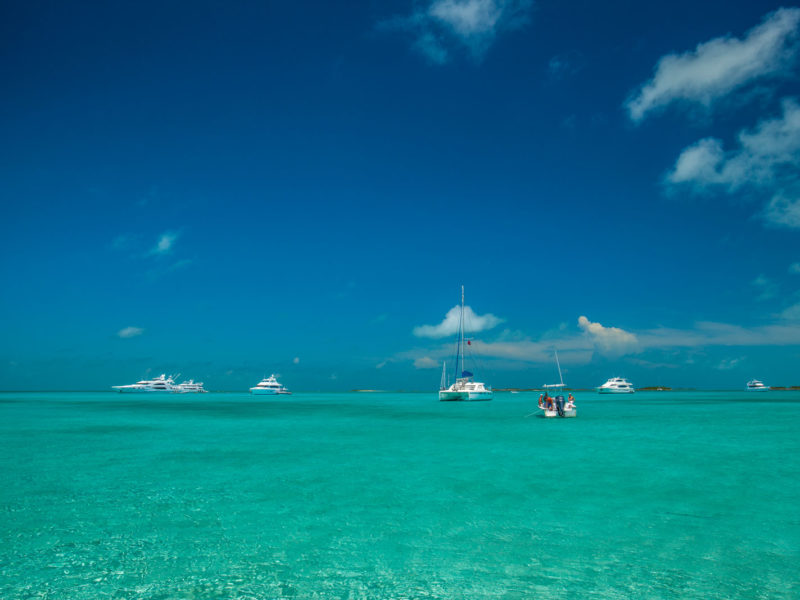
Beyond single-destination guides, The Planet D publishes itineraries ranging from 3 days to a full week for numerous cities and countries. These are grouped by region, including Europe, North America, and Asia, plus a separate collection of road trip itineraries. Examples include a Zurich-focused Switzerland itinerary, a one-day Milan guide, a Toronto to Montreal road trip, and multi-day plans for Singapore and Seoul. Grouping travel blog content types this way helps travelers compare pacing and logistics before committing to a route.
Travel Tips Archives: Practical Advice from 12 Years on the Road
The Travel Tips archive gathers lessons collected over 12 years of continuous travel, touching on budgeting, packing, and trip logistics. Recent entries address topics such as flying with battery-powered devices, navigating confusing airline booking interfaces, and choosing apps for AI trip planning, eSIM connectivity, flight tracking, and travel safety, drawn from experience across more than 130 countries. Other posts tackle niche situations, including winter packing for skiing and snowshoeing, overnight bus safety, and etiquette guidance for travelers in the Middle East. This section functions as the practical backbone of the wider travel blog content types The Planet D maintains, since it answers the logistical questions that come up once a destination is chosen.
Meaningful Travel Content for Purpose-Driven Adventurers

Some travelers are not just looking for an itinerary; they want context about why a trip matters beyond sightseeing. The Planet D’s broader catalog includes posts that go deeper into a place’s culture, history, or current realities, such as coverage addressing whether Egypt is safe to visit and what informed, prepared travel there actually looks like. This kind of content sits alongside straightforward guides but asks different questions, focused on responsible and informed engagement with a destination rather than a simple checklist. It reflects an editorial approach built from years of on-the-ground reporting rather than secondhand research.
Inspiration Series: Stories and Motivation for Stepping Beyond the Comfort Zone
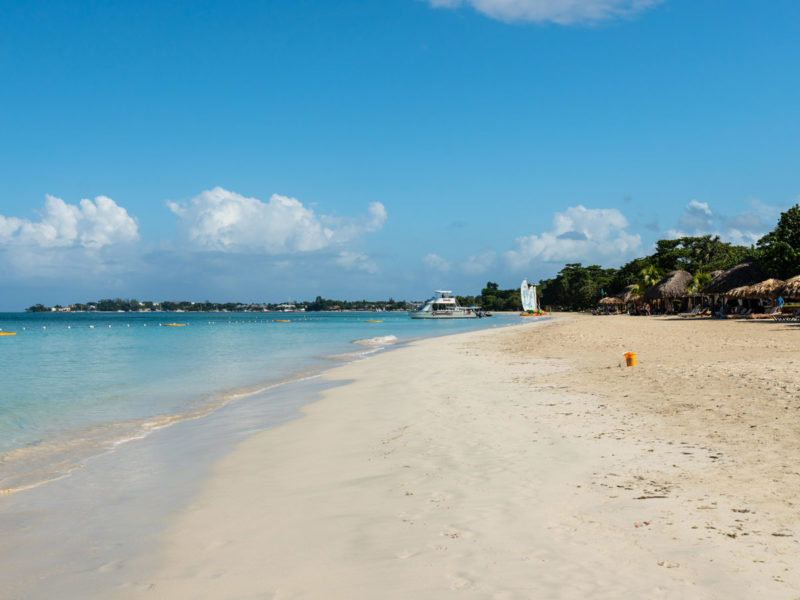
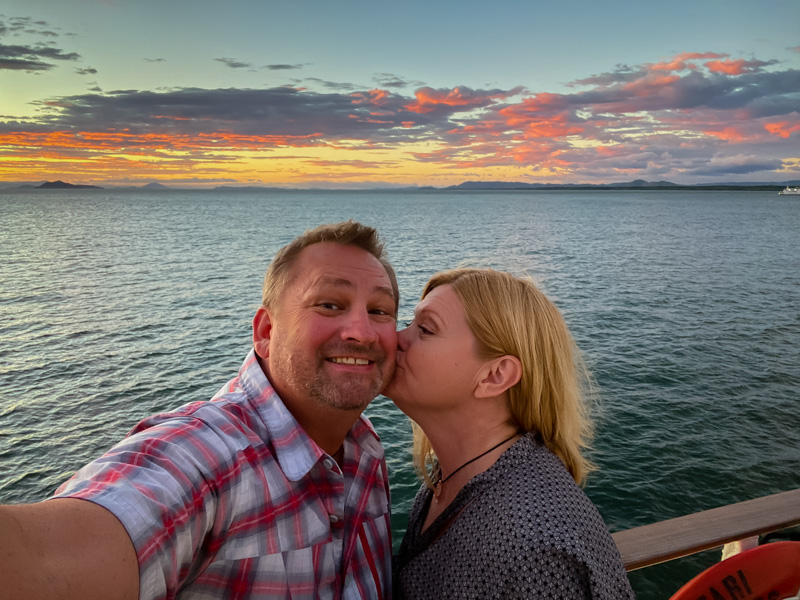
Dave and Deb built The Planet D after leaving their jobs, selling their belongings, and setting out on a trip that changed how they approached life. That origin story threads through much of the site’s narrative content, including personal accounts like returning to Zion National Park in November and finding the trails nearly empty after a crowded summer visit. Posts about places such as Hamilton, where Dave’s father was born and raised, add a personal layer that straightforward guides do not always include. These narratives are recognized among the travel blog content types that aim to motivate rather than just inform, and they are part of what has helped the site earn recognition as one of the top 10 travel blogs in the world according to Forbes.
Video Content and Real-Time Travel Documentation
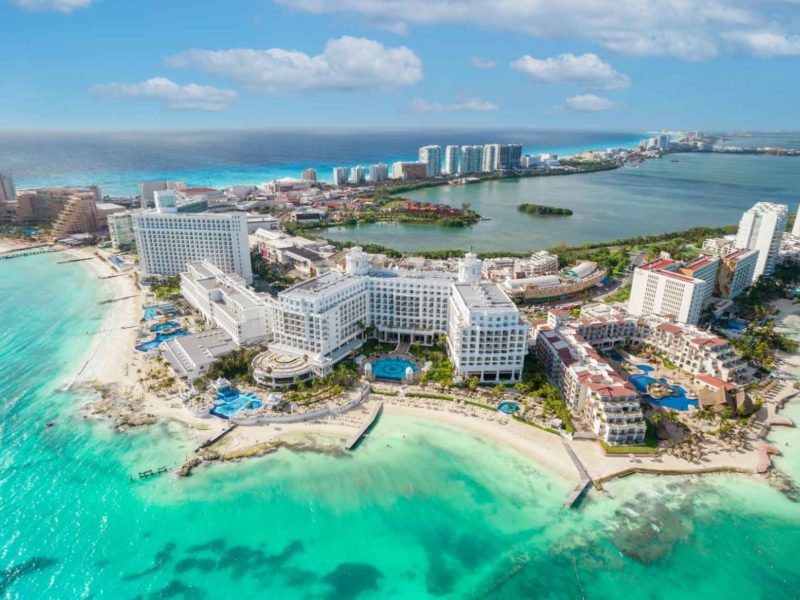
Alongside written content, The Planet D produces new videos weekly on its YouTube channel, documenting trips as they happen. A recent example covered the best things to do in Portugal, matching a two-month on-the-ground exploration of the country described elsewhere on the site. Video content gives a different texture to the same destinations covered in articles, showing pacing, scenery, and logistics in motion rather than in text. Together with the written archive, this forms a multi-format approach to travel storytelling that few single-format blogs attempt.
- Destination guides spanning 110 countries across all seven continents provide a broad entry point for research.
- Itinerary collections cover spans from 3 days to a week across Europe, North America, Asia, and dedicated road trip routes.
- Travel tips archives compile packing advice, booking guidance, and app recommendations gathered across more than 130 countries.
- Packing lists address specific scenarios, including winter sports travel and managing battery-powered devices on flights.
- Safety-focused posts cover topics such as overnight bus travel and destination-specific safety questions like those raised about Egypt.
- Inspirational narratives recount personal milestones, including the decision to leave full-time jobs and travel indefinitely.
Taken together, these categories show how a long-running site organizes its material without forcing every post into a single mold. Each format serves a different moment in trip planning, from the first spark of interest in a country to the final packing list before departure.