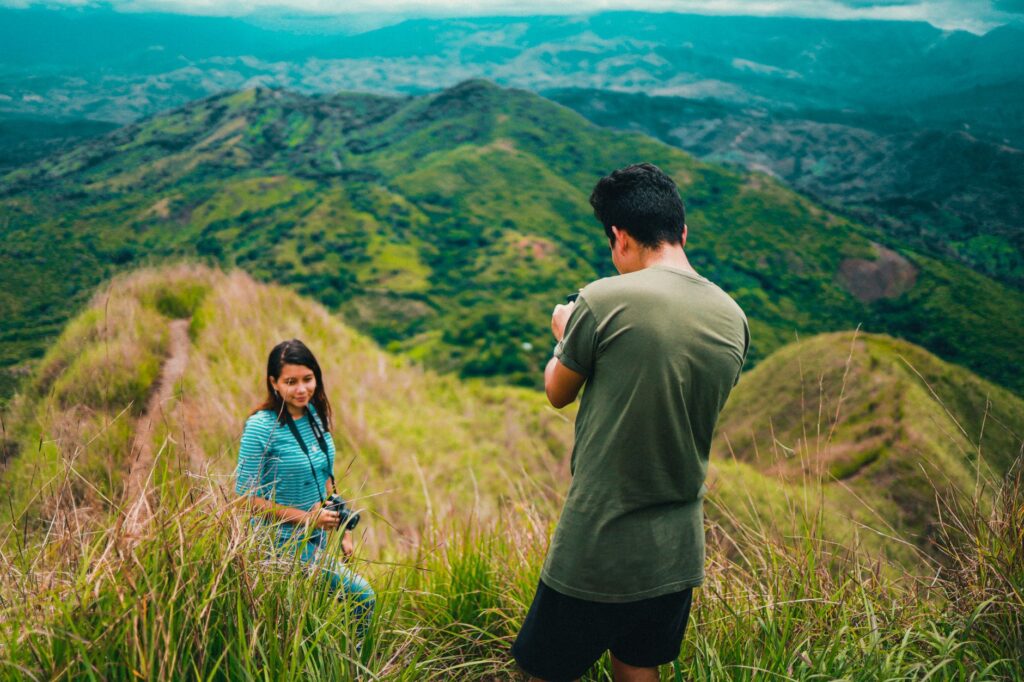
Choosing travel photography gear involves more than reading spec sheets and comparing megapixel counts. Photographers who spend weeks on the road tend to form opinions based on how equipment survives dust, rain, and long days of movement. Finding the Universe has built a substantial body of photography content around exactly this kind of practical experience, and the choices made by its photographers offer a useful lens into what actually holds up in the field.
The Camera Bodies Behind Finding the Universe’s Travel Photography
Camera bodies used for travel work tend to prioritize reliability over novelty. A body that can be relied upon in changing climates, from humid rainforests to dry high-altitude passes, earns its place in a kit through repeated use rather than a single impressive outing. Finding the Universe approaches gear discussions from this same standpoint, favoring equipment proven across many trips rather than whatever has just launched.
This practical approach matters because travel photography gear is rarely tested under ideal conditions. Airports, border crossings, and unpredictable weather all place demands on a camera body that a studio setting never would. As a result, photographers often weigh handling and battery behavior as heavily as resolution or autofocus speed.
Lens Selection for Variable Destinations and Lighting Conditions
Lens choices for travel work usually reflect the unpredictability of moving between locations with little warning. A single trip might include dim interiors, bright coastal light, and fast-changing street scenes, so versatility often outweighs having a narrow specialist lens for every scenario. Many travel photographers settle on a smaller set of lenses that cover a broad focal range rather than carrying several single-purpose options.
Weight also plays a quiet but constant role in these decisions. A lens that performs beautifully but adds significant bulk can change how a day of walking and shooting actually unfolds. For this reason, discussions of travel photography gear often circle back to trade-offs between optical quality and practicality on the move.
Tripods and Stabilization: Beyond Basic Stands
Tripods for travel use face a different set of demands than those built for studio or home use. They need to fold small, resist wind on exposed viewpoints, and still hold a camera steady during long exposures of waterfalls or night skies. Stability under awkward conditions, rather than maximum height or load capacity, usually becomes the deciding factor.
Beyond the tripod itself, small stabilization accessories such as ball heads and quick-release plates often get as much attention as the legs supporting them. A head that locks firmly in uneven terrain can matter more than a slightly lighter frame. These details rarely show up in marketing copy, yet they shape how usable a tripod actually is in the field.
Editing Workflow and Post-Processing Tools
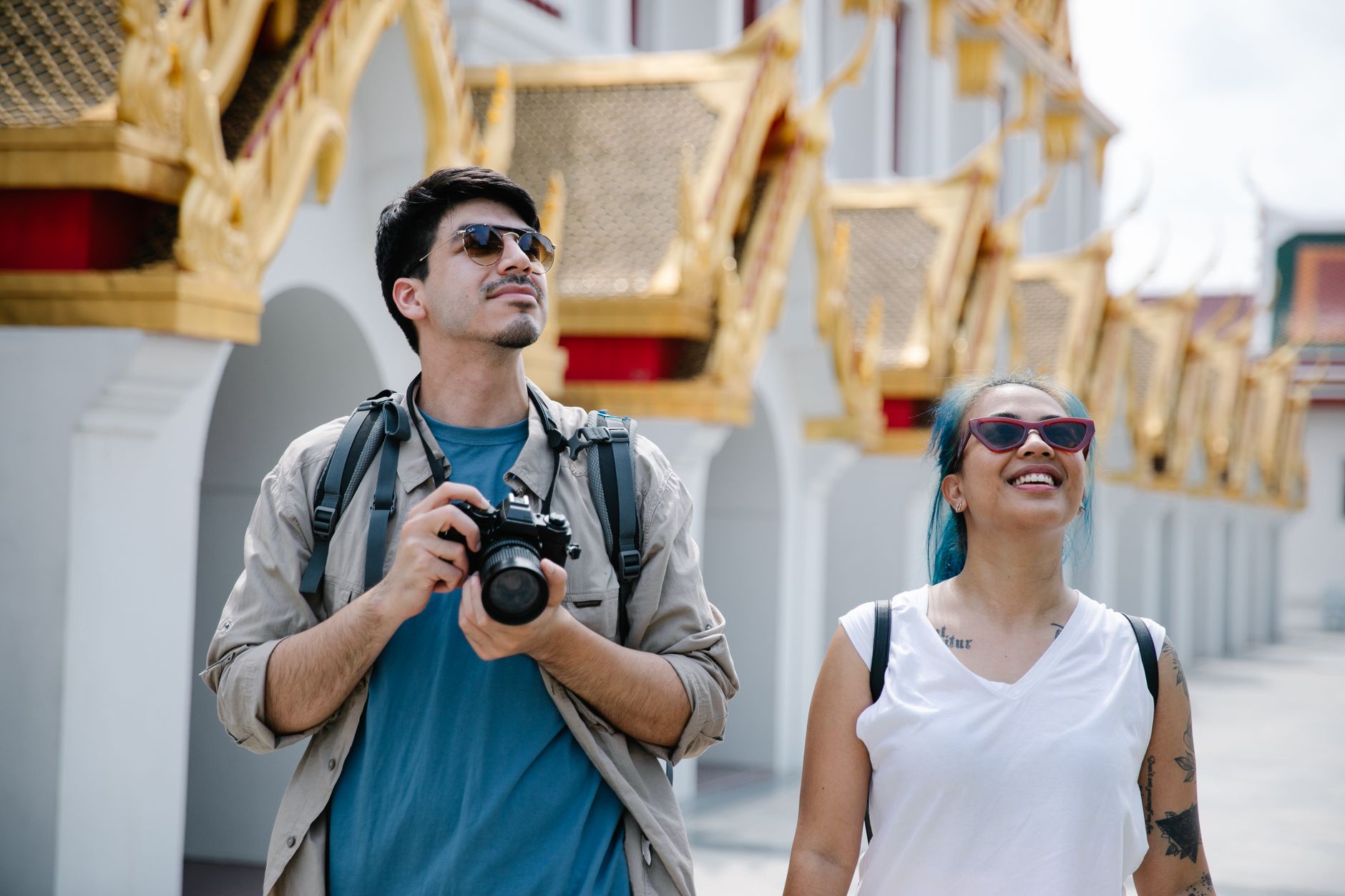
Capturing an image is only part of the process, and post-processing habits often reveal as much about a photographer’s priorities as the gear in the bag. Many travel photographers develop a consistent editing routine so that images from very different environments still feel part of one coherent body of work. This consistency becomes especially important when photographs from a desert and a rainforest need to sit side by side in the same gallery or blog post.
Finding the Universe addresses this stage of the process within its photography content, treating editing as an extension of the same decisions made in the field. That continuity between shooting and editing is part of why experienced photographers describe their workflow as a single process rather than two separate stages.
Protective Gear and Travel-Specific Accessories
Protective accessories rarely attract attention until something goes wrong, which is exactly why experienced travelers tend to take them seriously. Rain covers, padded inserts, and dust-resistant bags protect a camera from the kind of everyday wear that specifications never mention. A kit that performs well on paper still depends on these smaller items to survive a season of regular travel.
- Durability under repeated handling often matters more to experienced photographers than a high resolution figure on a spec sheet.
- Weight becomes a daily consideration rather than an abstract number once gear has to be carried for hours at a time.
- Weather resistance determines whether a camera or lens can be used confidently in rain, dust, or humidity without hesitation.
- Versatility across lenses and accessories allows a smaller kit to handle unpredictable scenes instead of relying on highly specialized equipment.
- Simplicity of setup can matter in fast-moving situations where there is little time to adjust complicated gear.
These priorities explain why conversations about travel photography gear so often move away from pure specifications and toward how equipment behaves under ordinary, repeated use.
Learning Photography Through Finding the Universe’s Course
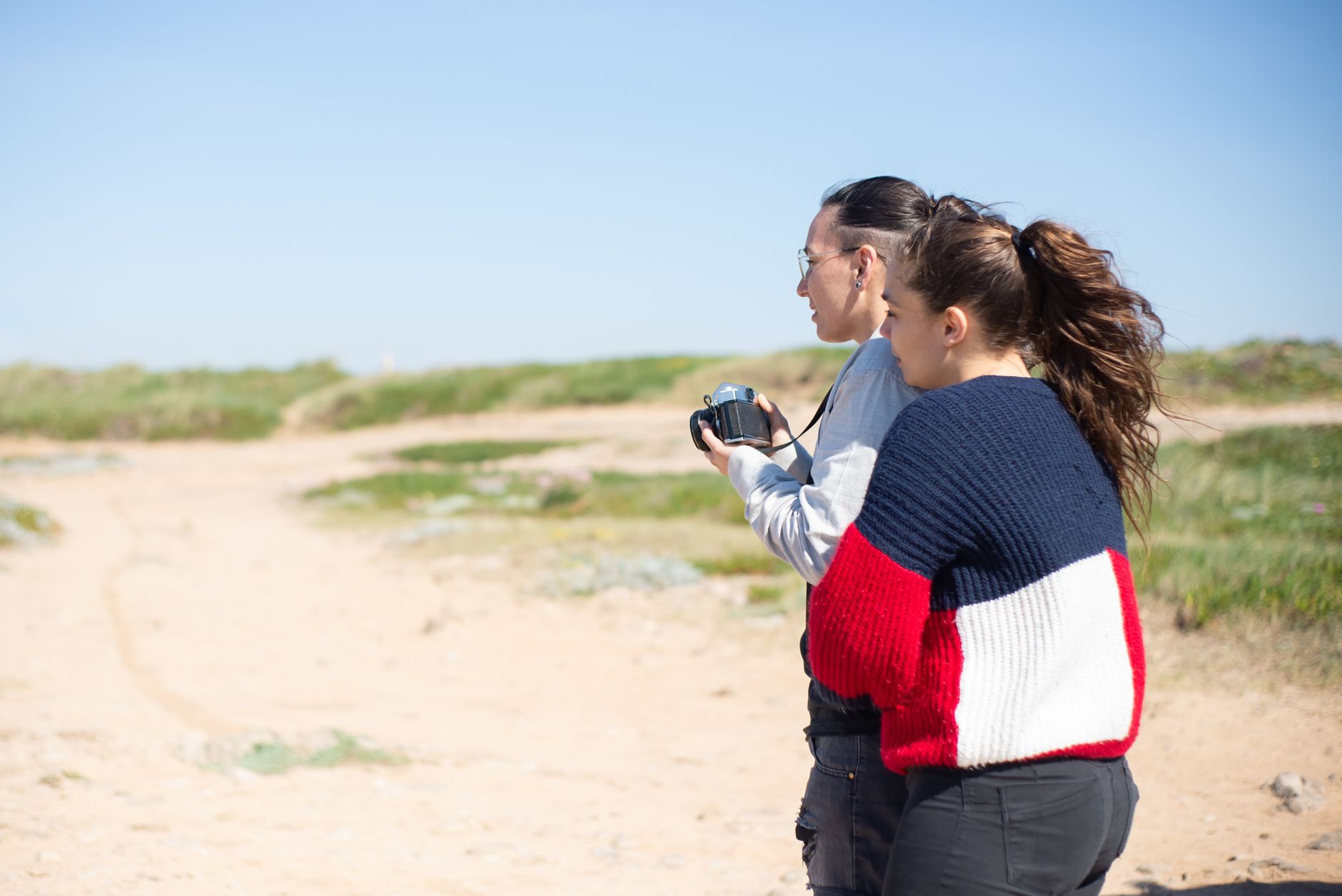
Beyond equipment itself, Finding the Universe offers a photography course designed to teach the fundamentals behind using any kit effectively. The course covers how a camera works, how to compose images with intention, and how to edit photographs once they are captured. It also includes feedback from the instructor and access to a dedicated community, where students can take part in challenges and learn from each other’s work, alongside more than 2,500 other students who have joined so far.
Framed this way, the course sits alongside the gear advice found on Finding the Universe as another piece of the same practical approach. Learning how to use a camera well often matters as much as which camera or lens ends up in the bag. That combination of equipment knowledge and technical skill is part of what shapes consistent results across different destinations.
Gear choices will keep evolving as new cameras and lenses appear, but the underlying priorities, durability, versatility, and resistance to difficult conditions, are likely to remain the real measure of what belongs in a travel kit.