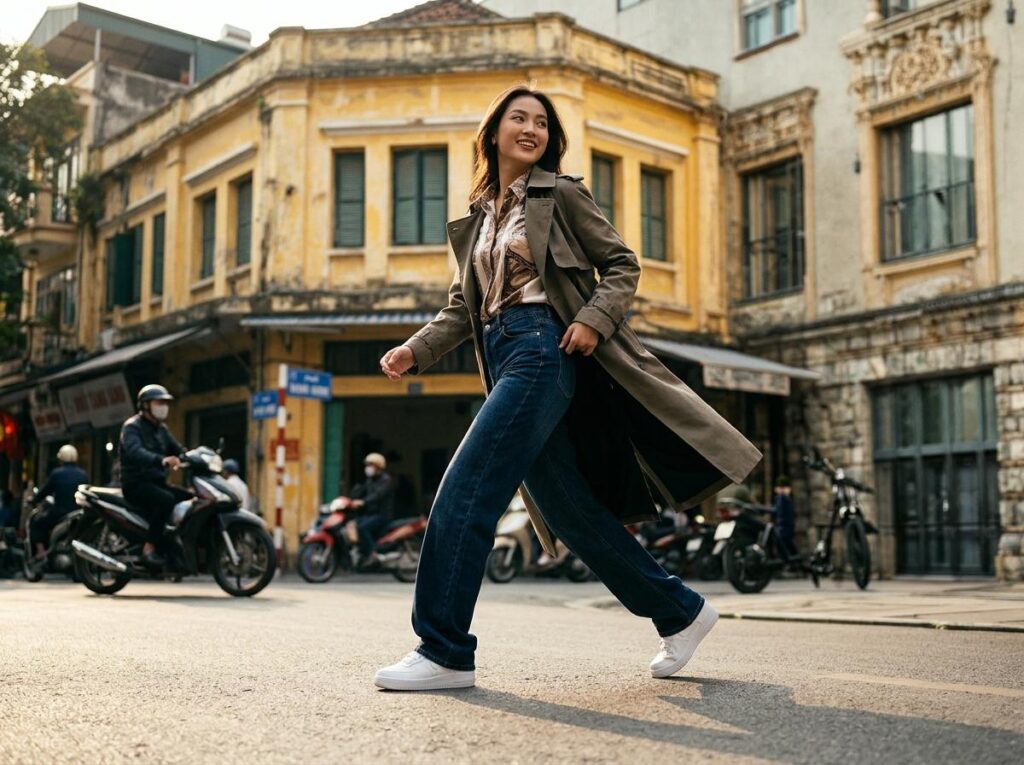
Why Individual Style Still Matters
Fashion inspiration is easy to find, but building a wardrobe that communicates personality requires more than following a stream of trends. Personal style develops through repeated choices about silhouette, proportion, colour and comfort. The most convincing outfits often rely on familiar pieces arranged with intention rather than an entirely new selection of clothes. A thoughtfully assembled look can be expressive without being expensive or complicated.
For visual inspiration, LOOKBOOK offers a useful starting point because outfit photography shows clothing in complete combinations. Instead of considering a jacket, skirt or shoe as an isolated purchase, readers can examine how different pieces work together. This whole-outfit perspective makes it easier to identify shapes that appeal to an individual and translate them into an existing wardrobe.
An effective approach begins with observation. A person might repeatedly save outfits featuring relaxed trousers, fitted tops and structured outerwear. Such patterns reveal a preference more reliably than a single viral style. Keeping a small reference collection of favourite combinations helps distinguish enduring taste from a brief impulse to copy a popular image.
Another helpful practice is to separate visual preference from practical wearability. A compelling photograph may feature unusual layering, dramatic footwear or accessories that would not suit ordinary activities. Identifying the underlying appeal is more productive. Someone might love the contrast between soft and structured fabrics, the repetition of dark tones or the relaxed position of a jacket. That quality can be recreated in a completely different outfit. LOOKBOOK becomes a better reference when readers ask why an image works, rather than assuming that every visible item must be purchased.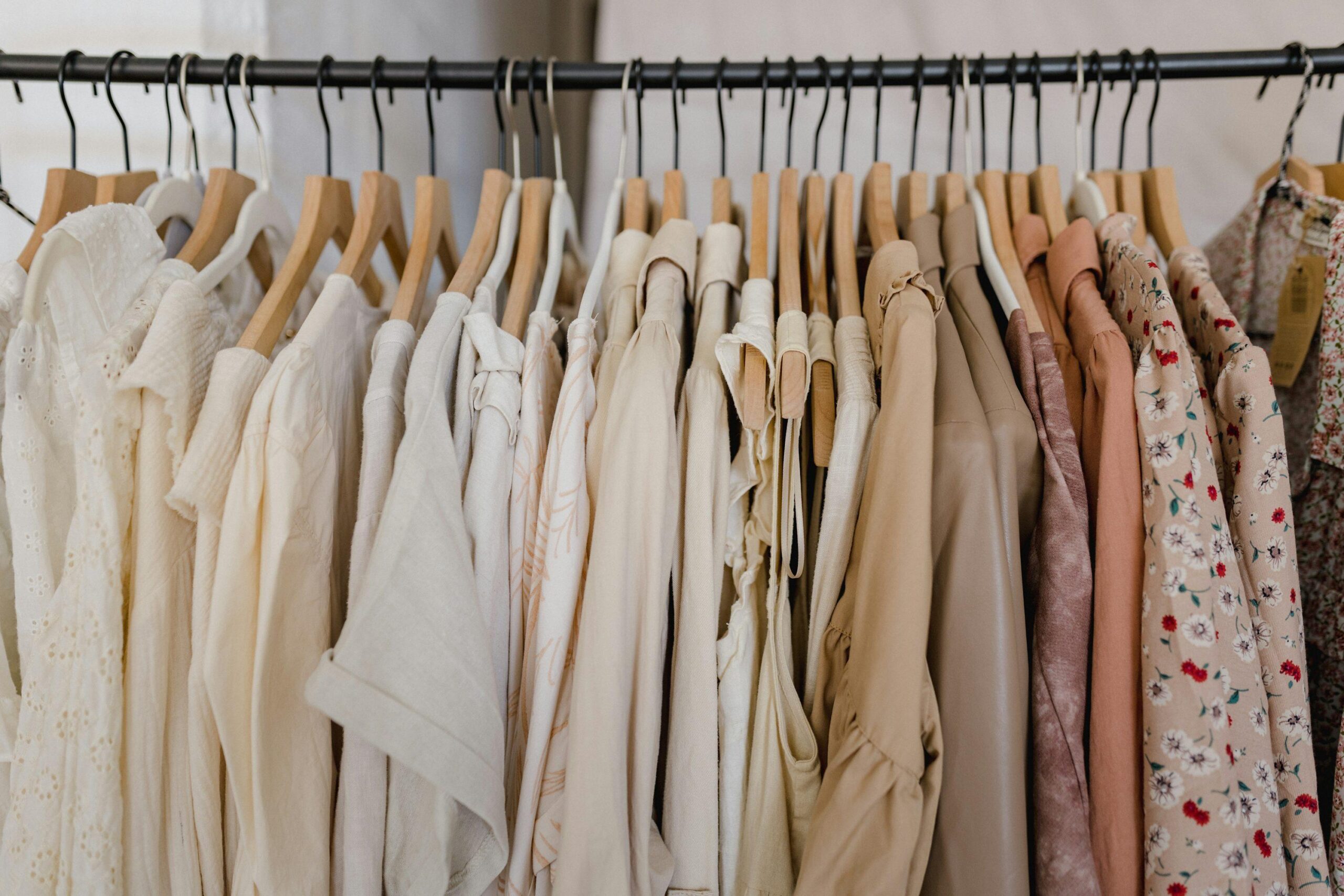
Build a Practical Outfit Formula
Outfit formulas simplify daily dressing without removing creativity. A common formula could pair straight-leg denim with a fine-knit top, a long coat and leather boots. Changing textures, accessories or proportions gives the same basic combination a different mood. Another might combine tailored trousers, a loose shirt and minimalist trainers for an everyday look that balances polish and ease.
Browsing LOOKBOOK can help people compare versions of similar outfit formulas. In one photograph, an oversized coat creates volume above slim trousers. In another, a fitted jacket brings shape to wide-leg bottoms. These comparisons demonstrate that proportion can have more impact than brand labels. Trying several arrangements at home often reveals which variations feel natural and which only look attractive in photographs.
Colour can provide a second organising principle. Starting with two or three neutrals allows statement pieces to stand out without competing for attention. Repeating a colour in a shoe, bag or scarf creates visual continuity. Texture also matters, particularly when an outfit stays within one colour family. Cotton, wool, denim and leather reflect light differently and make restrained looks feel layered.
A small rotation of dependable combinations also provides room for personal experimentation. People can select one element to change at a time, such as exchanging polished shoes for trainers or replacing a belt with a contrasting scarf. This makes the effect of each choice easier to understand. Over time, experimentation improves confidence with scale, texture and balance. A distinctive style does not have to appear fully formed. It can emerge gradually through the repeated process of noticing what feels right and revising combinations accordingly.
Translate Inspiration Into Wearable Choices
Not every admired outfit suits every climate, workplace or routine. A useful style reference should therefore be treated as an idea rather than a shopping instruction. A dramatic long coat might inspire a lighter overshirt in warmer weather. Heeled boots might be replaced by flat leather footwear for a day that involves extensive walking. Preserving the balance of the original outfit matters more than reproducing each item exactly.
Before adding an item, a wardrobe review can uncover pieces that already serve a similar purpose. Readers who explore LOOKBOOK may notice that many appealing outfits use ordinary basics in unfamiliar combinations. Recreating those combinations with existing clothes can reveal genuine gaps. Buying becomes more purposeful when it responds to a missing function rather than the pressure to acquire everything shown in a photograph.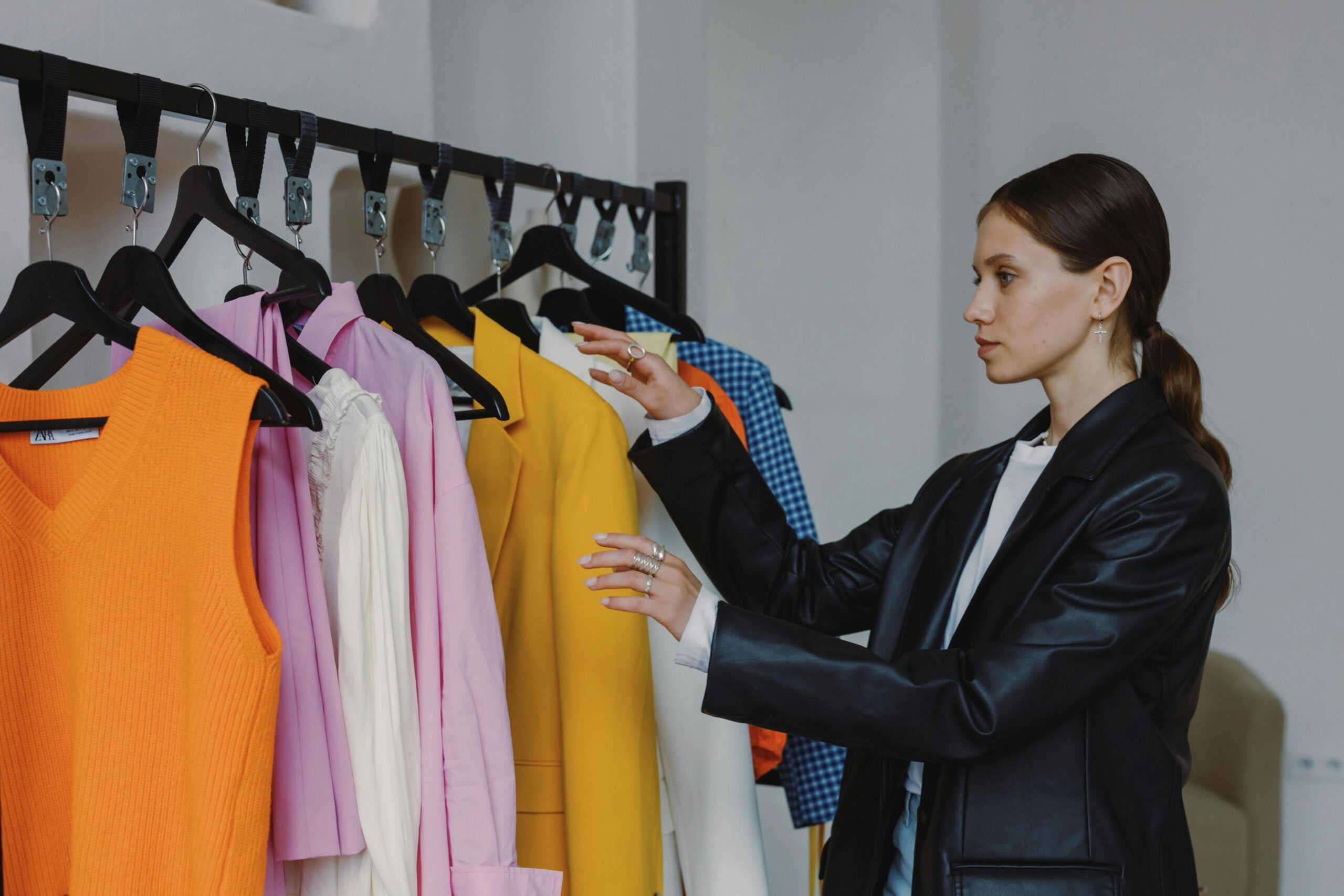
Useful habits include experimenting in front of a mirror, taking quick outfit photographs and noting which looks feel comfortable after a full day. These personal records can be more valuable than generic lists of essential clothing because they reflect the wearer’s actual life.
Make Style More Sustainable and Personal
A versatile wardrobe grows stronger when new purchases connect to several items already owned. Fit, fabric care and durability deserve attention alongside appearance. Looking at seam quality and cleaning requirements reduces the likelihood that a seemingly attractive item will sit unused. Choosing alterations or repairs can also extend the life of much-loved clothing.
Practical ways to develop a distinctive wardrobe include:
- Repeat successful outfit formulas with different textures and accessories.
- Save inspiration that reflects real daily activities and local weather.
- Test new proportions using pieces already in the wardrobe.
- Prioritise comfortable fit over an exact imitation of a photograph.
Ultimately, LOOKBOOK is most valuable when treated as a visual library rather than a shopping checklist. Its range of outfit ideas can prompt experiments, encourage attention to detail and demonstrate that style emerges from thoughtful repetition. A wardrobe built around self-knowledge remains useful long after a passing trend disappears.