
Start With Problems Worth Solving
A connected home is useful only when its devices simplify familiar routines. Purchasing products because they are technologically impressive can lead to complicated controls, duplicated functions and unnecessary notifications. A more effective approach starts by identifying daily frustrations such as inconvenient lighting, forgotten appliances or difficulty managing heating schedules.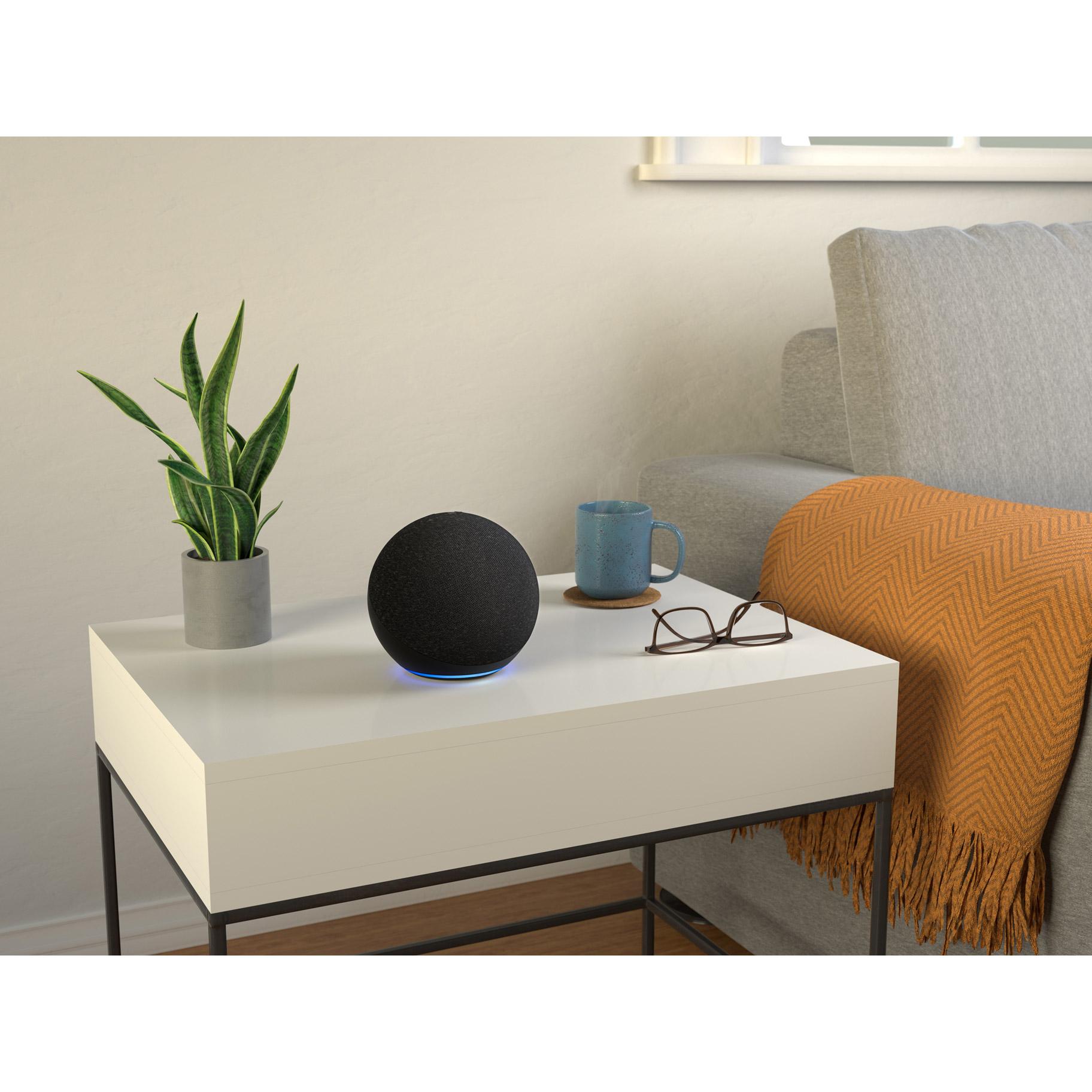
Digital Trends covers smart-home categories ranging from lighting and security to robotic cleaning and connected household equipment. Its guides help readers compare functions before choosing a system. Thinking in terms of practical outcomes makes the process clearer: a person might want a hallway light that turns on automatically, a thermostat that follows a reliable schedule or a device that reduces repetitive chores.
Before buying anything, household members should agree on which routines would benefit from automation. Products installed in shared spaces affect everyone, including visitors who may not use the same phone or voice assistant. Physical switches and straightforward manual controls remain valuable even in highly connected homes.
Home automation can also support accessibility. Voice control, scheduled lighting and simplified routines may reduce the need to reach awkward switches or manage multiple devices independently. However, accessibility features should be tested with the people who will rely on them, not selected according to a generic product description. A system that depends entirely on an internet connection or complicated app may introduce new obstacles. Straightforward setup, dependable operation and alternative controls are essential when convenience is a genuine everyday need.
Choose Devices That Work Together
Compatibility is one of the most important smart-home considerations. Devices may rely on different apps, wireless protocols and account systems. A collection of individually impressive products can become frustrating if each requires a separate workflow. Checking ecosystem support before purchasing helps reduce this fragmentation.
Digital Trends explains distinctions between device categories and competing platforms. Readers can use those comparisons to create a consistent plan rather than making one-off decisions. A sensible starter setup might include a small selection of smart bulbs or plugs, followed by more specialised equipment once the core experience feels reliable.
Wireless coverage also affects performance. Thick walls, crowded networks and poorly placed routers may undermine otherwise capable devices. Homeowners should review connectivity requirements and consider whether equipment continues performing essential functions during an internet outage. Reliability matters more than the number of available features.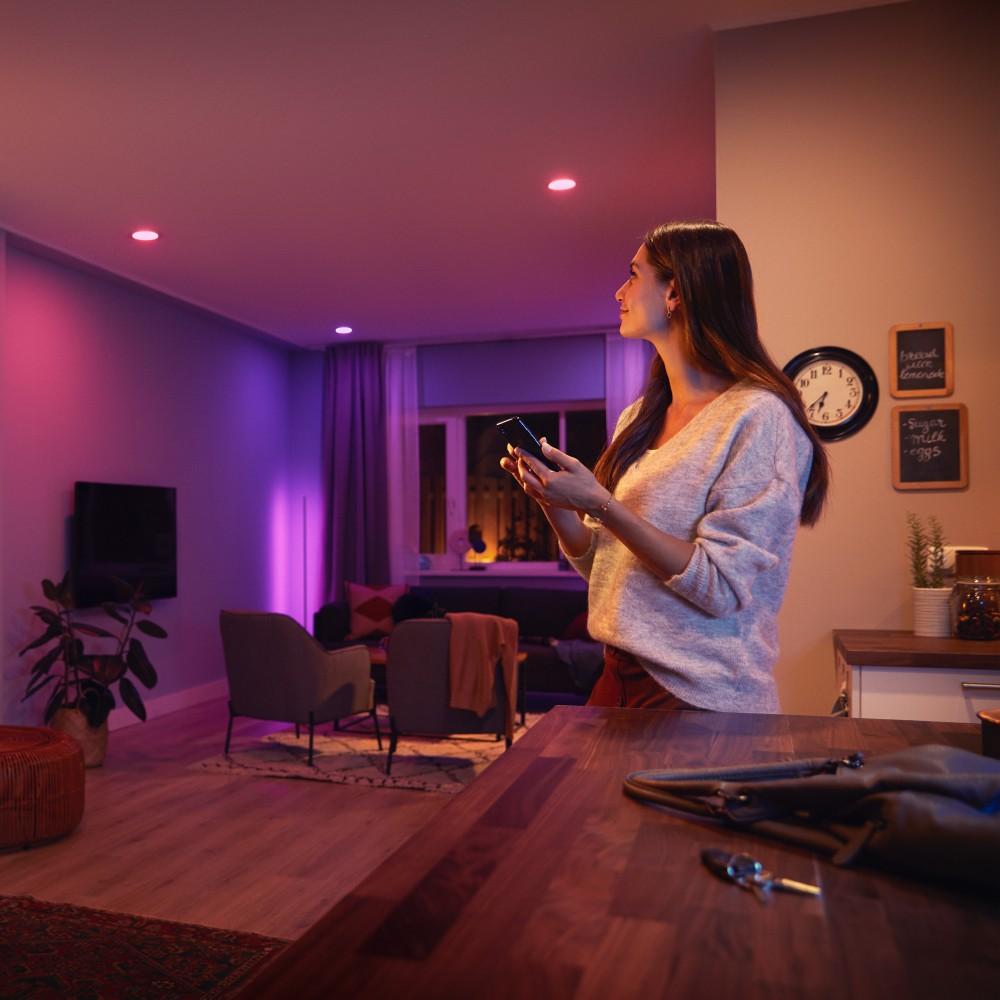
Realistic expectations help prevent costly replacements and unnecessary installation work over time. Another useful consideration is the total cost of ownership. Some devices offer limited features unless a monthly subscription remains active, while others require proprietary accessories or replacement parts. Buyers should check what happens when a service is discontinued and whether the device can still perform basic tasks without remote servers. Comparing the purchase price alone can therefore be misleading. A slightly simpler product with dependable support may deliver a better experience over several years than a feature-rich device with ongoing complications.
Treat Privacy and Security as Essential
Connected cameras, microphones, locks and sensors can collect information about household behaviour. Before installation, buyers should examine privacy settings, software update policies and access controls. Strong unique passwords and multifactor authentication can reduce common account risks. Granting limited permissions to household members or third-party services also helps protect sensitive functions.
Reviews on Digital Trends provide a useful way to examine a product’s practical features, but security needs ongoing attention after purchase. Regular firmware updates, periodic account reviews and removal of unused devices keep the system manageable. Users should also understand how recorded data is stored and whether subscriptions are necessary for particular features.
Not every routine requires cloud-connected technology. Local controls and simple timers may provide better reliability for some tasks. Evaluating whether a device needs remote access can lead to a smaller and more dependable smart-home setup.
A smart home should be understandable to guests and household members who did not configure it. Clear labels for physical switches, predictable lighting behaviour and simple instructions can prevent frustration. Digital Trends helps readers navigate complex product choices, but the final test happens in daily life. If a system demands frequent troubleshooting, automations should be reduced until they are genuinely dependable. Small improvements that work consistently often deliver more value than elaborate routines that impress briefly and then become difficult to maintain.
Expand Gradually and Measure the Benefit
A practical selection process includes:
- Define the household task before shopping for a device.
- Verify compatibility with existing equipment and networks.
- Review privacy controls and ongoing support policies.
- Test essential manual functions before adding automation.
After installing a device, households should observe whether it actually saves time or reduces effort. Notifications that produce constant distractions can be adjusted or disabled. Routines that repeatedly fail may need simplification rather than extra hardware. Technology should be easy to live with, not a second household chore.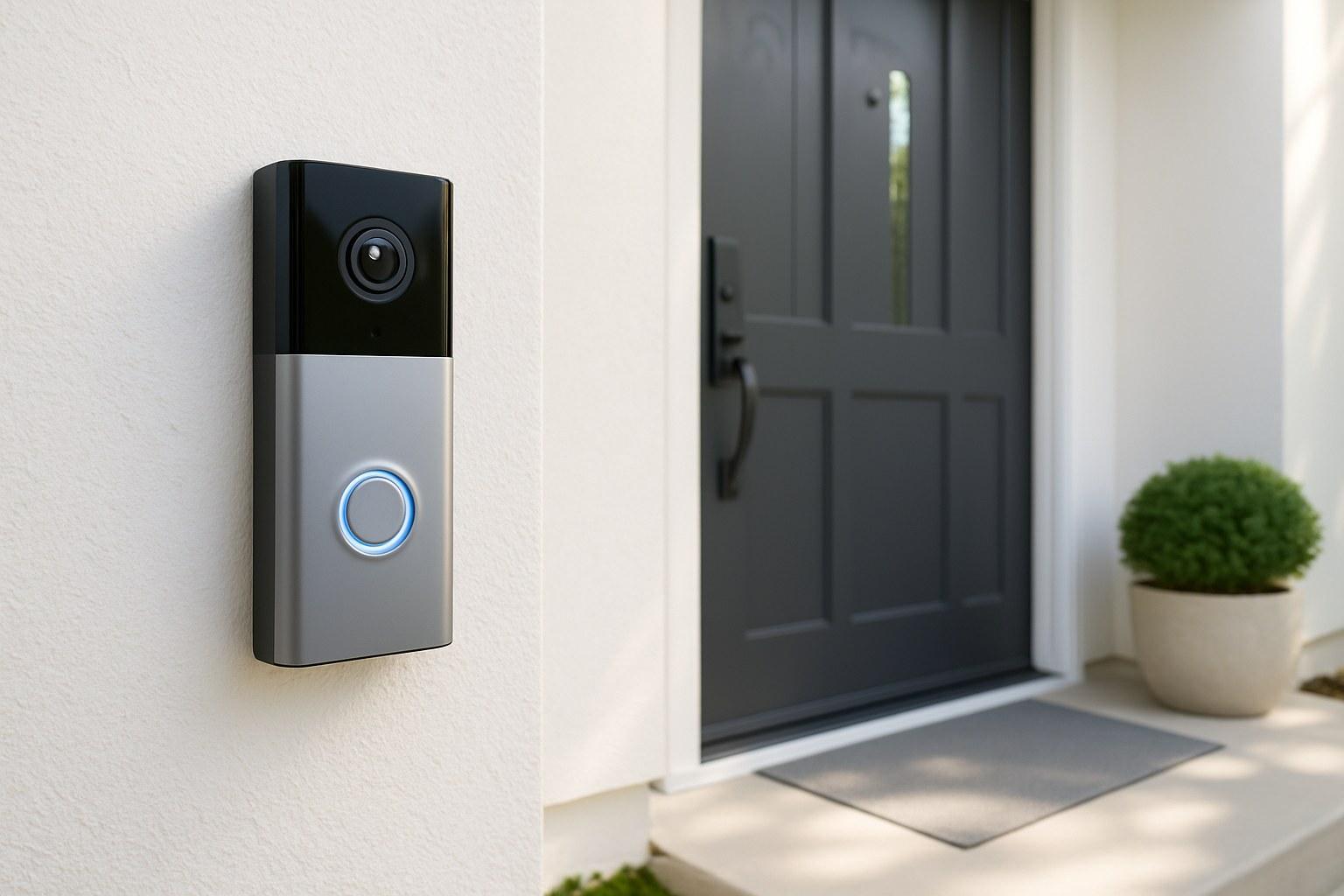
Digital Trends can support informed comparisons as new products and standards evolve. A thoughtful smart home grows through deliberate choices, prioritising comfort, accessibility, security and reliable operation over novelty.