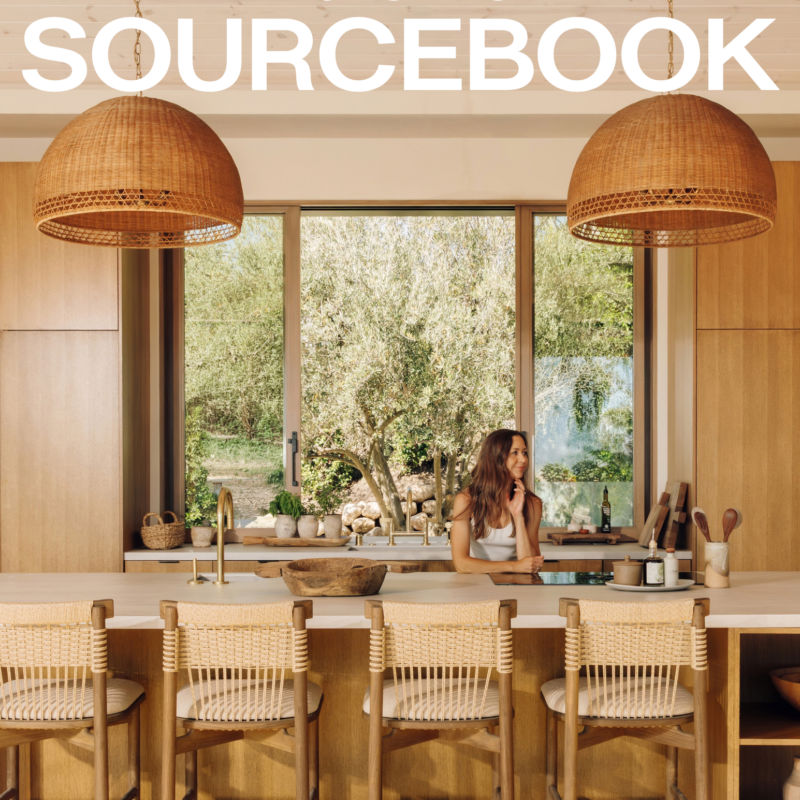
Casa Zuma dinnerware collections bring handcrafted plates, bowls, glassware, boards, and linens together under one relaxed, coastal table aesthetic. Camille Styles has featured many of these pieces directly in its own home and entertaining coverage, giving a clear look at how the line is meant to be used. This breakdown looks at the core dinnerware, serving pieces, glassware, and table accessories, and how each fits different occasions around the table.
Casa Zuma’s Core Dinnerware and Everyday Tabletop Collections
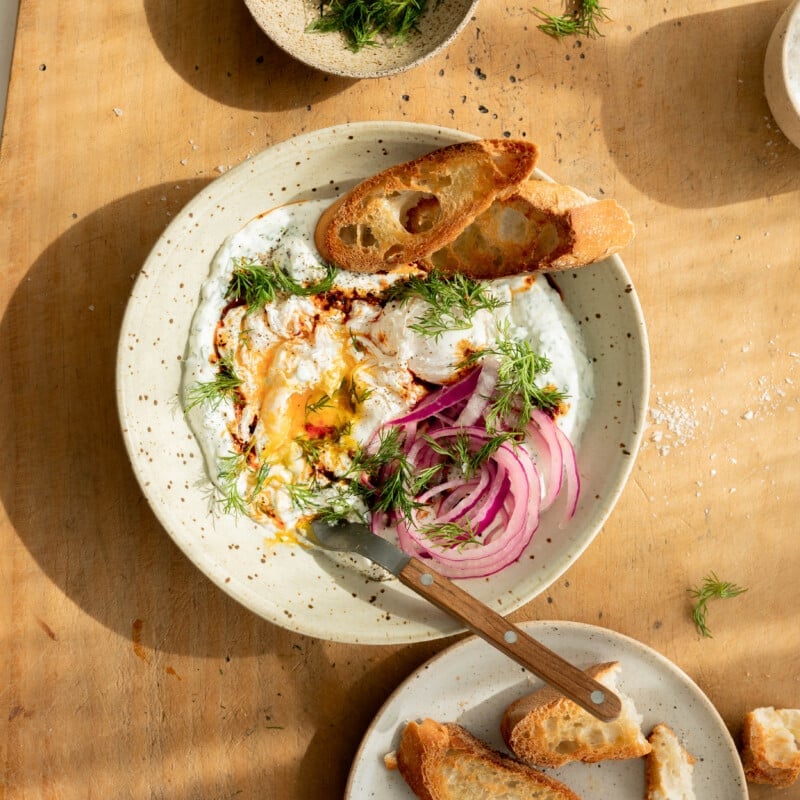
At the center of the brand’s tabletop offering sits a line of handmade dinnerware, built for daily meals as well as entertaining. Camille Styles has called out this handmade dinnerware as a recurring favorite among readers furnishing their own kitchens, noting it among the items people add to their carts after seeing it styled in real homes. Because each piece is made by hand rather than cast from a single mold, the dinnerware carries a slightly irregular, textured look rather than a uniform finish.
That handcrafted quality is part of what distinguishes Casa Zuma dinnerware collections from a standard matched set. The everyday plates and bowls are meant to function as a daily-use foundation, while still looking intentional enough for a dinner party. This dual purpose, ordinary weeknight use and more considered entertaining, is a thread that runs through the rest of the brand’s tabletop pieces as well.
Serving Pieces Across the Range: Bowls for Sharing and Entertaining
Beyond individual place settings, the brand’s catalog includes serving bowls meant for the middle of the table rather than a single plate. These pieces typically hold olives, dips, roasted vegetables, or other dishes meant to be passed around a group. Because they are part of the same handmade dinnerware approach, no two serving pieces look exactly alike.
This distinction between individual dinnerware and shared serving pieces is one of the clearer use-case splits within Casa Zuma dinnerware collections. Everyday plates serve one person at a time, while the larger serving bowls are built around a group setting. For anyone hosting a table of guests rather than a solo meal, that difference in scale and purpose matters more than the finish or color of the piece.
Recycled Glass Stemware: The Recycled Wine Glass Set
Casa Zuma also offers a Recycled Wine Glass, sold as a set of four, which extends the tabletop range into drinkware. This recycled glass stemware carries the same textured, slightly imperfect character as the dinnerware, and it has appeared in Camille Styles’s own seasonal home decor roundups alongside pitchers and linens. That cross-appearance signals how the glassware is meant to sit within a broader table setting rather than stand apart as a separate purchase.
Because the glasses are made from recycled glass, they fit the same materials-conscious approach found across the brand’s other pieces. A stemware set built this way suits a more relaxed, low-maintenance table, where a formal matched crystal set would feel out of place. That makes the Recycled Wine Glass set a different use case entirely from the everyday dinnerware, built for entertaining and drinks rather than daily meals.
Boards, Pitchers, and Table Linens: Completing the Casa Zuma Table
Rounding out the table are named accessory pieces, including the Everything Chopping Board in a small size, the Blanco Pitcher, and the Linen Table Throw. The board has been styled in Camille Styles‘s own features as a serving surface for bread, cheese, or charcuterie, rather than only a prep tool. The Blanco Pitcher, meanwhile, is built for serving drinks or water at the table.
The Linen Table Throw serves a different purpose again, adding texture underneath plates and glassware in place of a traditional tablecloth. Together, these pieces cover table styling rather than food service itself, which separates them from the dinnerware and serving bowls. That makes them a finishing layer rather than a starting point for a table setting.
- The brand’s handmade dinnerware covers everyday plates and bowls meant for regular, individual-plate use.
- Serving bowls hold shared dishes such as dips, olives, or roasted vegetables for a group at the table.
- The Recycled Wine Glass set of four handles drinks for casual entertaining rather than everyday hydration.
- The Everything Chopping Board works as a serving surface for bread, cheese, or charcuterie spreads.
- The Blanco Pitcher and Linen Table Throw add decorative and functional finishing touches once the core pieces are in place.
Building a Cohesive Table Setting with Casa Zuma Pieces
Camille Styles has styled the Daybreak Candle, the Beach Towel in an espresso colorway, and the Linen Table Throw alongside items from other brands in its own seasonal decor coverage. That cross-pollination between the publication and the product line shows how the pieces are meant to be read together rather than judged as single, isolated items. A table built from Casa Zuma dinnerware collections tends to combine an everyday plate setting with a serving bowl for shared dishes, then layers in glassware and linens depending on the occasion.
Because the handmade pieces share a consistent hand-thrown, textured look, items bought separately over time still tend to sit well together. This is less about matching a single finish and more about a shared material language across dinnerware, glassware, and accessories. For anyone assembling a table piece by piece, that consistency is what keeps the mix from looking disjointed.
Mediterranean and California Coastal Inspiration Behind Casa Zuma’s Design Philosophy
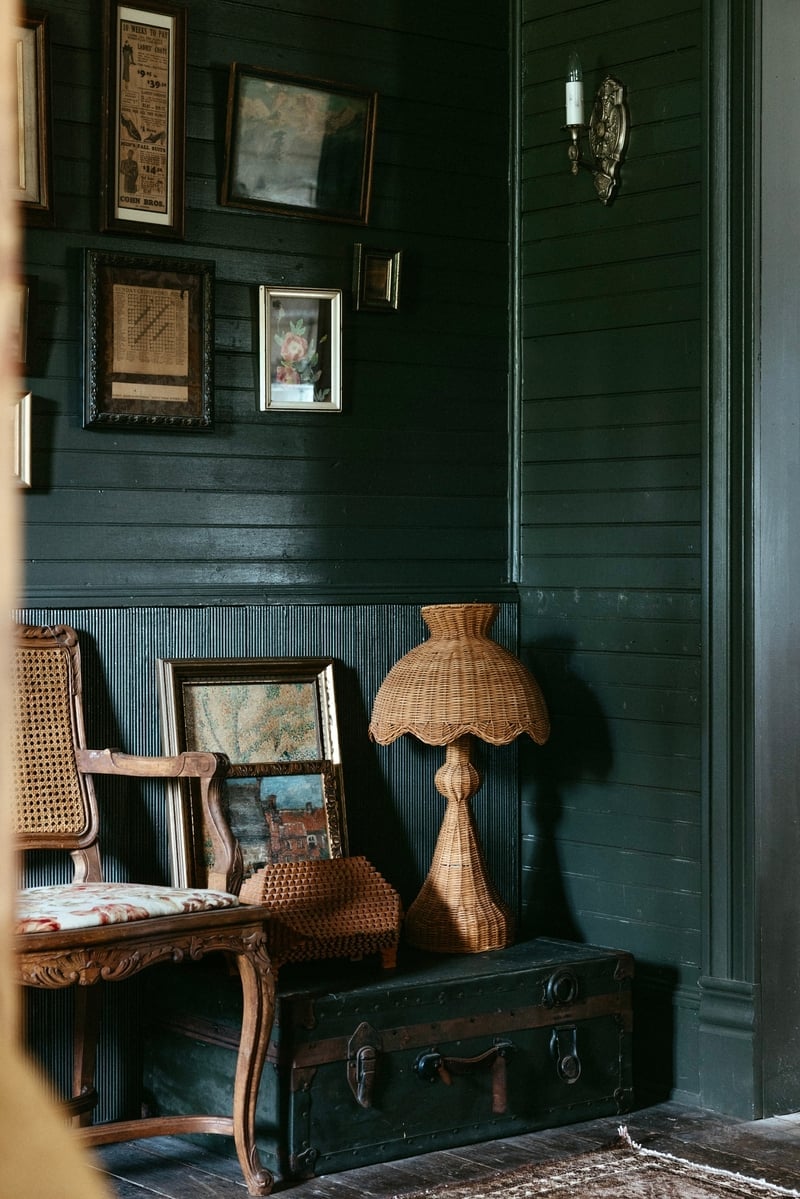
Casa Zuma is co-founded by Camille, who also founded Camille Styles, and the brand is described as a collection of soulful, handcrafted pieces for home and table. Its products have been shown styled inside a beach house setting, including a primary suite built around natural linen and handmade tile. That same material sensibility, natural and tactile rather than polished, carries through into the dinnerware and tabletop pieces.
The recurring presence of natural materials, from recycled glass to linen, ties the tabletop line back to the broader home aesthetic the brand is built around. This is less a single design trend than a consistent material approach across rooms and the table alike. It places the dinnerware and serving pieces within a larger home sensibility rather than treating them as standalone tableware.
Seen as a whole, the range rewards attention to how each piece gets used, not just how it looks on a shelf.