
Tech gadget myths spread fast online, often repeated so often they start to sound like fact. From charging habits to smartwatch accuracy, misinformation shapes how people treat the devices they rely on daily. TechRadar regularly fields questions from readers trying to separate genuine advice from recycled internet lore, and this piece tackles the claims that come up most often.
Battery Myths: Why the 80% Charging Limit Actually Matters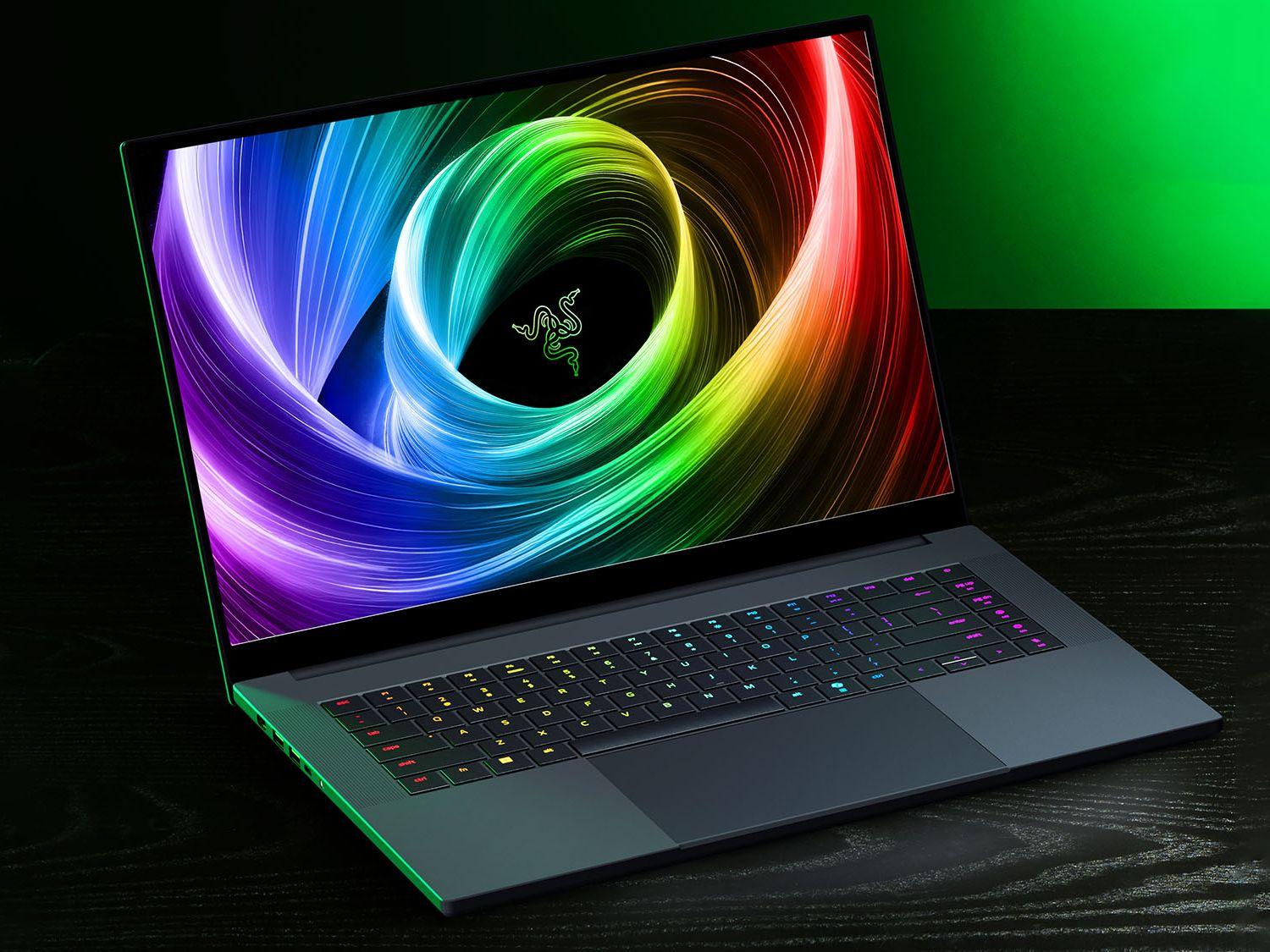
One of the most persistent tech gadget myths is that batteries need to be drained to 0% before recharging. That advice applied to older nickel-based batteries, not the lithium-ion cells inside modern phones and laptops. Google has actually built a software option into Pixel phones that lets a device stop charging at 80%, a feature aimed at easing long-term strain on the cell rather than letting it top up fully every night. TechRadar has covered this rollout as part of a broader shift toward giving users more control over charging habits instead of leaving a phone plugged in overnight by default.
Another common belief is that fast charging ruins a battery outright. Heat during charging matters more than speed alone, and manufacturers design charging circuits with that in mind. Letting go of the all-or-nothing mindset around battery care is one of the simpler ways to separate fact from outdated habit.
Smartphone Display Misconceptions Explained
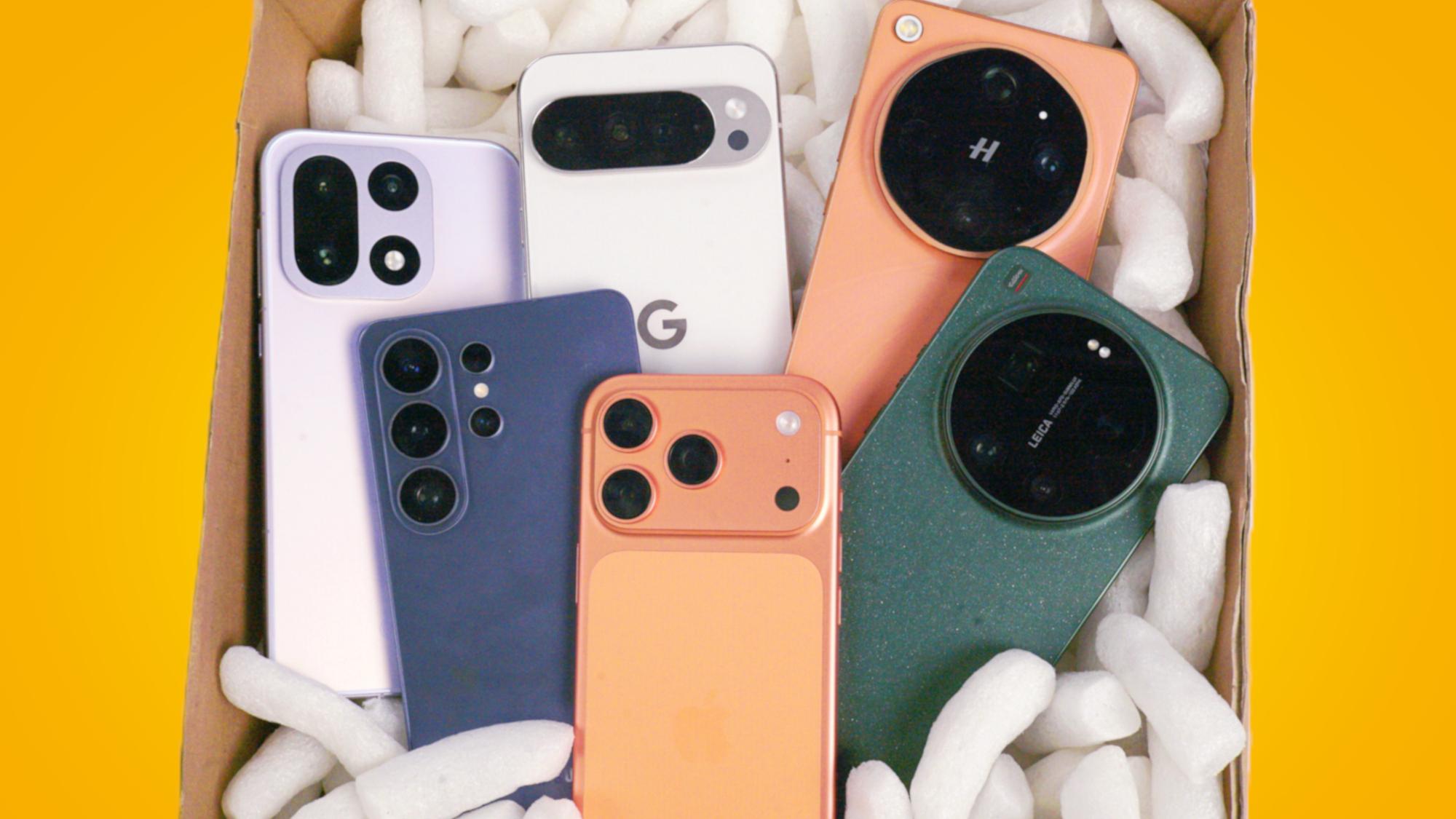
A frequent claim is that a higher refresh rate always means a better screen for everyday use. Refresh rate affects how smooth scrolling and animations look, but it says nothing about color accuracy or brightness in daylight. TechRadar‘s phone reviews regularly test these factors separately because a panel can excel in one area while being average in another.
There is also a widespread idea that leaving a phone on its highest brightness setting permanently damages the display. Screens are built to handle sustained brightness, and the bigger practical concern is battery drain rather than panel damage. Confusing visual comfort settings with long-term hardware risk is a classic example of a tech gadget myth built on a half-true premise.
Smartwatch and Fitness Tracker False Claims
Many assume every smartwatch on the market offers identical health tracking regardless of brand or price point. In practice, sensor quality and update frequency vary meaningfully between models, which is why TechRadar compares devices like the Apple Watch Ultra against the Garmin Fenix 7 rather than treating them as interchangeable. Garmin alone has released multiple smartwatches across different product lines, each aimed at slightly different use cases such as outdoor navigation or daily fitness summaries.
Another misconception is that a fitness tracker’s step count or heart rate reading is always exact to the number. These figures are estimates generated by onboard sensors, and small variations between devices are normal rather than a sign of malfunction. Treating a tracker as a clinical instrument rather than a consumer gadget sets expectations that the hardware was never designed to meet.
Laptop Performance Myths vs. Real-World Usage

A popular belief holds that more RAM always translates into a faster laptop. Beyond a certain point, additional memory makes little difference unless the workload actually demands it, such as heavy video editing or running multiple virtual machines. Processor choice and storage speed often matter more for everyday responsiveness than memory capacity alone.
There is also a tendency to assume gaming laptops cannot be efficient on battery life. AMD has pushed back against that idea with its Adrenalin Edition driver update, which introduced the HYPR-RX Eco power mode. According to AMD, this mode can reduce power draw substantially on supported gaming laptops and Windows 11 handhelds, challenging the notion that performance hardware has to drain a battery quickly.
Gaming Hardware Misconceptions in the PC and Console Space
A long-running myth claims that console hardware becomes obsolete the moment a new generation launches. In reality, games continue to be developed and patched for existing consoles for years after a successor arrives, and library size remains a major factor in any buying decision. TechRadar’s console comparisons, including its PS5 versus Xbox Series X guidance, focus on exclusive titles and ecosystem differences rather than assuming one generation instantly voids the other.
On the PC side, there is a widespread idea that a more powerful graphics card alone guarantees better gaming performance. Processor bottlenecks, memory speed, and even driver updates can limit what a GPU actually delivers in practice. AMD’s own chip announcements, including new Ryzen processors built around an XDNA neural processing unit, show how performance gains increasingly depend on multiple components working together rather than any single part.
Smart Home Device Capabilities: What They Can and Cannot Do
Smart home products are often credited with abilities they simply do not have, such as fully securing a property on their own. Devices like outdoor cameras and video doorbells, the kind covered in TechRadar‘s roundups of brands such as AOSU, are designed to monitor and alert rather than physically prevent an intrusion. Treating a camera as a complete security system rather than one layer of one overstates what the hardware was built to do.
Voice assistants face a similar myth, with many assuming they understand context the way a person would. These systems respond to specific commands and learned patterns rather than genuine comprehension, which explains why oddly phrased requests sometimes fail. Recognizing this gap helps set realistic expectations for what smart home gadgets add to a household and what still requires manual input.
- Many consumers believe unplugging a charger immediately after reaching 100% is necessary to protect battery health.
- A common support question asks whether a laptop fan running loudly means the hardware is failing, when it often just indicates normal thermal management under load.
- Some assume a smartwatch stops tracking accurately after a software update, though most accuracy issues come from sensor placement on the wrist.
- Plenty of buyers think a higher megapixel count on a phone camera always produces sharper photos.
- A number of users expect a smart speaker to understand every accent or background noise level without any misfires.
- Several people assume a gaming console becomes unsupported the day a newer model is announced.
Debunking tech gadget myths is less about memorizing exceptions and more about understanding how the underlying hardware actually behaves. As devices grow more capable, the gap between marketing language and daily reality tends to widen rather than shrink. TechRadar continues testing and comparing products specifically to close that gap for readers trying to make sense of competing claims.
Short of guesswork, verified testing remains the clearest way to tell a lingering myth from a documented fact.