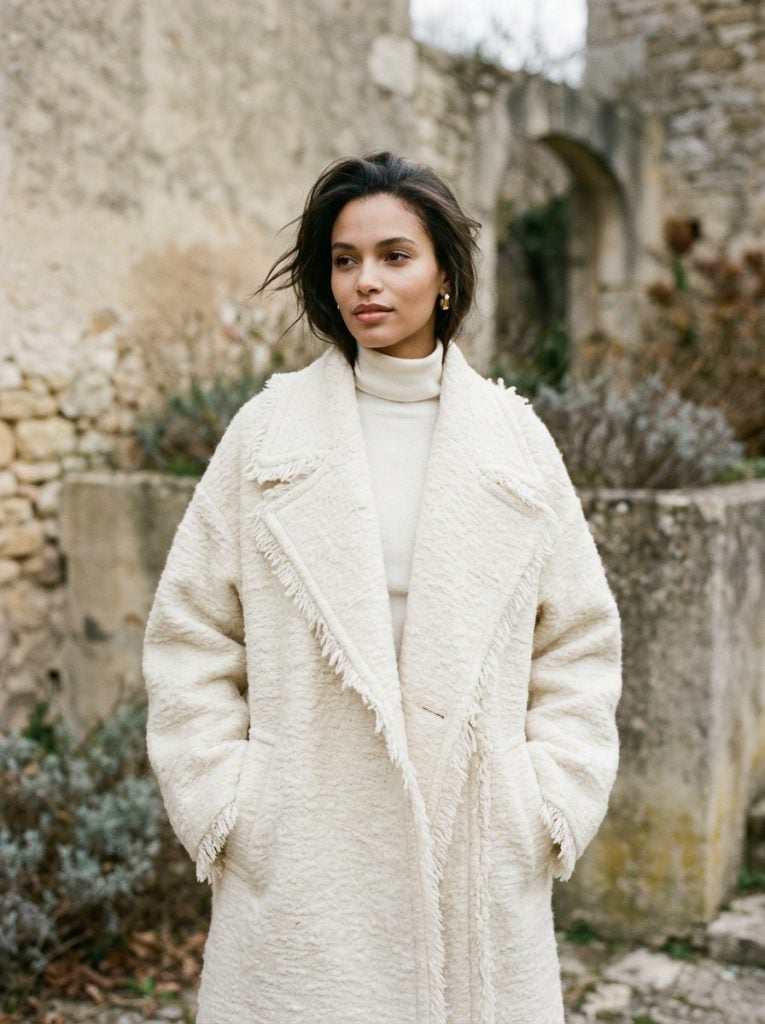
The classic double-breasted trench coat has survived over a century of sartorial evolution, but 2026 marks its most radical transformation yet. Independent atelier designers across London and Paris are shedding heavy shoulder pads, stiff storm belts, and metallic eyelets in favor of fluid, asymmetrical poplin draping.
By pairing double-faced cotton gabardine fronts with open linen side slits, these restructured coats respond dynamically to the wearer walking down windy urban avenues. The garment billows softly behind the body, turning a utilitarian rain coat into an architectural motion sculpture.
Pattern cutters are experimenting with off-center button placements and oversized storm flaps that drape casually across one shoulder. Raw unhemmed edges reveal internal silk binding, celebrating the intricate internal craftsmanship that usually remains hidden inside garment lining.
Tailoring is no longer about enforcement of rigid military structure; it is an open canvas for movement and grace.
Color palettes remain rooted in timeless earth tones: warm stone beige, wet slate grey, unbleached oat, and deep olive shadow. These neutral shades ensure that deconstructed trench coats pair effortlessly over everything from tailored wool trousers to casual denim.
The versatility of these modern outerwear pieces is remarkable. Worn open, the asymmetrical lapels fall into effortless fluid folds; cinched casually with a fabric sash, the coat creates a sculpted hourglass silhouette without feeling restrictive.
By challenging traditional tailoring rules, contemporary fashion houses are breathing fresh life into heritage classics. Deconstructed tailoring proves that functional utility and avant-garde beauty can coexist in perfect harmony.